Các hệ thống thủy lực hoạt động quá nóng sẽ âm thầm phá hủy hiệu suất, gioăng và thời gian hoạt động. Nếu bỏ qua nhiệt độ, những tổn thất nhỏ sẽ trở thành những thất bại lớn. Hướng dẫn này chỉ ra cách chẩn đoán quá nhiệt hệ thống thủy lực và khắc phục nguyên nhân gốc rễ một cách nhanh chóng.
Quá nhiệt hệ thống thủy lực thường xuất phát từ mất năng lượng: rò rỉ bên trong, van xả quá tải, độ nhớt dầu không chính xác, làm mát bị hạn chế hoặc giảm áp suất quá mức. Để giải quyết các vấn đề quá nhiệt thủy lực, hãy xác minh các chỉ số nhiệt độ, kiểm tra điều kiện hoạt động, đo giảm áp suất, kiểm tra hoạt động của van xả, thử nghiệm rò rỉ và khôi phục làm mát và lựa chọn chất lỏng chính xác. Sau đó, hãy theo dõi xu hướng để ngăn chặn tái diễn.
Trong các phần tiếp theo, bạn sẽ học các kiểm tra thực tế, các giải pháp đã được chứng minh trong thực địa và các phương pháp phòng ngừa giúp giảm nhiệt độ và thời gian ngừng hoạt động.
Tại sao quá nhiệt thủy lực là một rủi ro đáng kể về độ tin cậy
Nhiệt độ thủy lực không chỉ là vấn đề thoải mái; nó là một rủi ro đáng tin cậy tích lũy. Khi nhiệt độ tăng vượt quá ý định thiết kế, độ nhớt chất lỏng giảm, lớp màng bôi trơn yếu đi và tăng cường rò rỉ bên trong. Điều đó tạo ra nhiều nhiệt hơn nữa, vì vậy hệ thống bước vào chu kỳ tự tăng tốc của việc mất hiệu suất. Nhiều nhóm hỏi, chất lỏng thủy lực có thể nóng bao nhiêu trước khi bắt đầu hư hỏng. Câu trả lời thực sự phụ thuộc vào loại chất lỏng, vật liệu gioăng và dung sai của các thành phần, nhưng hoạt động kéo dài trên phạm vi bình thường sẽ nhanh chóng rút ngắn tuổi thọ.
Quá nhiệt cũng tăng tốc quá trình oxy hóa, hình thành bùn và cặn sơn. Những sản phẩm phụ này làm tăng độ kẹt của van, tắc nghẽn các lối đi hẹp và làm tăng tổn thất áp suất, điều này càng gia tăng tải nhiệt. Nếu bạn đang tự hỏi dầu thủy lực có thể nóng bao nhiêu, hãy nhớ rằng “nhiệt độ sinh tồn” không phải là “nhiệt độ lành mạnh.” Một hệ thống có thể vẫn hoạt động trong khi đang bị hư hỏng. Đó là lý do tại sao quá nhiệt dầu thủy lực phải được coi như một sự kiện độ tin cậy có nguyên nhân gốc rễ, không phải là một tín hiệu tạm thời để đặt lại.
Nguyên nhân gốc rễ của quá nhiệt thủy lực
Hầu hết các trường hợp quá nhiệt đến từ một nguyên lý: năng lượng thủy lực hữu ích đang được chuyển đổi thành nhiệt thải. Rò rỉ bên trong là một yếu tố chính—bơm đã mòn, khe hở van, hoặc bỏ qua xi lanh có thể chuyển đổi năng lượng áp suất trực tiếp thành năng lượng nhiệt. Việc sử dụng van xả quá mức cũng là một nguyên nhân chính; khi dòng chảy liên tục xả qua van xả, bạn đang phải trả tiền để tạo ra nhiệt. Điều này thường xảy ra trong các mạch có cài đặt không chính xác, logic xả kém hoặc nhu cầu dòng chảy không phù hợp.
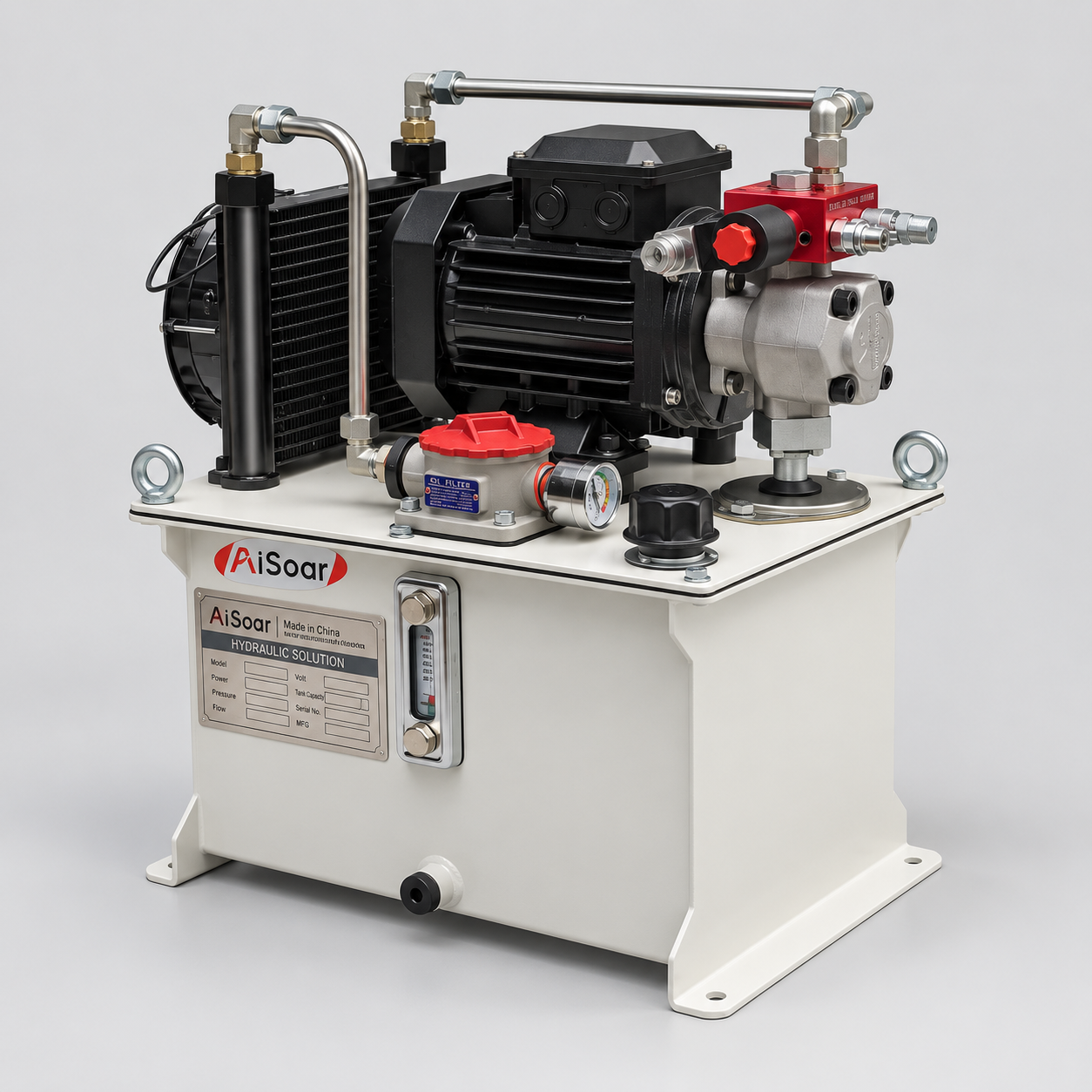
Việc lựa chọn chất lỏng cũng rất quan trọng. Các nhóm thường hỏi nhiệt độ dầu thủy lực nên đạt bao nhiêu mà không kiểm tra độ nhớt so với điều kiện môi trường và điều kiện hoạt động. Dầu có độ nhớt quá cao gây ra sức cản dòng chảy cao và giảm áp suất; dầu quá loãng làm tăng rò rỉ và mài mòn. Các giới hạn làm mát cũng quan trọng: bộ trao đổi nhiệt bị bẩn, quạt hỏng, lưu lượng nước thấp, hoặc luồng không khí bị chặn làm giảm khả năng thải nhiệt. Cuối cùng, các yếu tố thiết kế và bảo trì - đường ống nhỏ, áp suất ngược quá mức, bộ lọc bị tắc, khí hóa và ô nhiễm - càng làm tăng nhiệt độ. Việc khắc phục hiệu quả yêu cầu xếp hạng những nguyên nhân này theo tác động đã đo lường, không thay thế các bộ phận một cách ngẫu nhiên.
Quy trình khắc phục sự cố quá nhiệt thủy lực từng bước
Bắt đầu với độ chính xác của phép đo. Xác nhận độ hiệu chuẩn của cảm biến, vị trí đo đạc và thời gian. Một phép đọc sai có thể dẫn đến việc khắc phục sự cố theo hướng sai lầm. Tiếp theo, lập bản đồ hồ sơ hoạt động: tải, chu kỳ hoạt động, điều kiện môi trường và khi nhiệt độ tăng. Sau đó kiểm tra hành vi của van giảm áp. Nếu dòng chảy giảm áp hoạt động quá thường xuyên, xác định lý do tại sao dòng chảy không được sử dụng một cách hiệu quả. Điều này một mình giải quyết nhiều vấn đề quá nhiệt hệ thống thủy lực trường hợp.
Sau đó, đo chênh lệch áp suất qua các bộ lọc, bộ làm mát và các đường quan trọng. Chênh lệch áp suất cao cho thấy có sự hạn chế và mất năng lượng. Kiểm tra lưu lượng thoát trong bơm và rò rỉ của bộ chấp hành để đánh giá độ mài mòn bên trong. Xem xét điều kiện chất lỏng: độ nhớt, quá trình ôxy hóa, ô nhiễm và không khí bị cuốn vào. Nếu các nhóm hỏi dầu thủy lực có thể nóng bao nhiêu một cách an toàn, hãy liên kết câu trả lời của bạn với tình trạng chất lỏng đã được xác minh và giới hạn của các thành phần, không phải quy tắc chung. Sau đó đánh giá hiệu suất của bộ làm mát - độ sạch bên không khí, tốc độ quạt, lưu lượng bên nước và sự bẩn của bộ trao đổi nhiệt. Áp dụng một biện pháp sửa chữa tại một thời điểm và kiểm tra lại. Quy trình làm việc có kỷ luật này nhanh chóng xác định các nguyên nhân chính và ngăn chặn việc hoán đổi các bộ phận đắt tiền, không tập trung.
Ngăn ngừa quá nhiệt tái diễn
Phòng ngừa được xây dựng trên các giới hạn kiểm soát, theo dõi xu hướng, và bảo trì có kỷ luật. Thiết lập một dải nhiệt độ hoạt động bình thường theo loại máy và mùa. Định nghĩa các ngưỡng cảnh báo và hành động, sau đó liên kết các cảnh báo với các cuộc kiểm tra cụ thể. Điều này biến “nóng hôm nay” thành một phản ứng có cấu trúc thay vì ứng phó một cách bị động. Nếu nhóm của bạn thường hỏi nhiệt độ dầu thủy lực nên đạt bao nhiêu, hãy ghi lại các phạm vi chấp nhận được theo khuyến nghị của nhà sản xuất gốc cộng với cơ sở cụ thể của địa điểm.
Tiếp theo, củng cố việc theo dõi điều kiện. Theo dõi phân tích dầu (độ nhớt, ôxy hóa, số lượng hạt, nước), chênh lệch áp suất bộ lọc, hiệu suất bộ làm mát, và hoạt động của van giảm áp. Dữ liệu xu hướng tiết lộ những thiệt hại phát triển trước khi các cảnh báo nhiệt độ gia tăng. Giữ cho các bộ trao đổi nhiệt sạch sẽ, xác minh tình trạng quạt và bơm, và thường xuyên xem xét chất lượng không khí hoặc nước. Trong quá trình nâng cấp thiết kế, giảm thiểu tổn thất do hạn chế, tối ưu hóa kích thước đường ống, và tránh các đường trở áp suất cao mãn tính. Sử dụng cấp độ nhớt phù hợp với khí hậu và chu kỳ hoạt động. Cuối cùng, đào tạo các nhân viên vận hành nhận diện các triệu chứng quá nhiệt dầu thủy lực sớm và báo cáo các thay đổi mẫu. Việc phòng ngừa nhất quán biến các vấn đề quá nhiệt thủy lực thành những sự kiện hiếm gặp, có thể quản lý được, bảo vệ thời gian hoạt động, hiệu suất và tuổi thọ của thành phần.
KẾT LUẬN
Quá nhiệt hệ thống thủy lực về cơ bản là kết quả của việc mất năng lượng chuyển hóa thành nhiệt độ thải trong hệ thống. Những nguyên nhân gốc phổ biến bao gồm rò rỉ bên trong, thường xuyên xả tải của các van giảm áp, độ nhớt dầu không phù hợp, khả năng làm mát không đủ, và chênh lệch áp suất quá mức. Nếu không được xử lý kịp thời, quá nhiệt có thể dẫn đến sự cố bôi trơn, ôxy hóa gia tăng, kẹt van, lão hóa con dấu, và giảm tuổi thọ dịch vụ, cuối cùng ảnh hưởng đến sự ổn định của thiết bị và thời gian hoạt động.
Việc giảm thiểu hiệu quả phụ thuộc vào: trước tiên đảm bảo đo lường nhiệt độ chính xác, sau đó hệ thống điều tra các điều kiện hoạt động, chênh lệch áp suất, rò rỉ, và hiệu suất làm mát. Phân tích dựa trên dữ liệu xác định các nguyên nhân chính, với các biện pháp khắc phục đã được xác minh được thực hiện theo thứ tự. Đồng thời, việc triển khai quản lý ngưỡng nhiệt độ, theo dõi xu hướng, và bảo trì tiêu chuẩn hóa biến việc quá nhiệt lặp lại từ một “sự cố thường gặp” trở thành một “sự kiện tần suất thấp có thể kiểm soát,” bảo vệ bền vững hiệu quả hệ thống, độ tin cậy, và tuổi thọ thiết bị.