Choosing the wrong hydraulic power unit can cause unstable pressure, slow equipment movement, overheating, and unexpected downtime. Understanding industrial HPU applications helps you select a safer and more reliable hydraulic solution.
Industrial hydraulic power units are used to provide pressurized hydraulic oil for machines that require strong, stable, and controlled force. They are widely used in presses, lifting equipment, machine tools, steel plants, injection molding machines, test benches, marine equipment, waste handling systems, and many other heavy-duty industrial applications.
To understand where industrial hydraulic power units are used, it is important to look at the machines, working conditions, and performance requirements behind each application.
What Is an Industrial Hydraulic Power Unit?
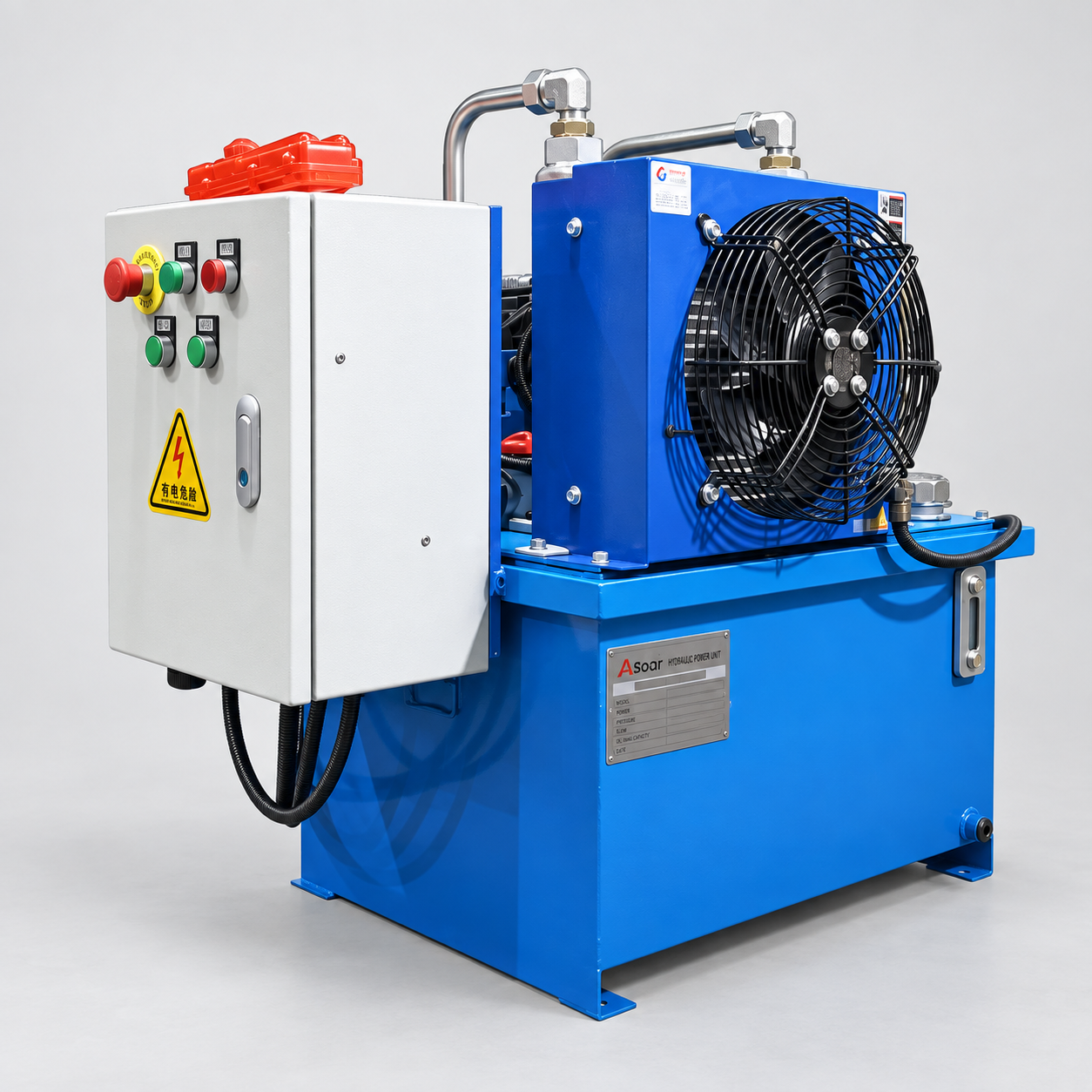
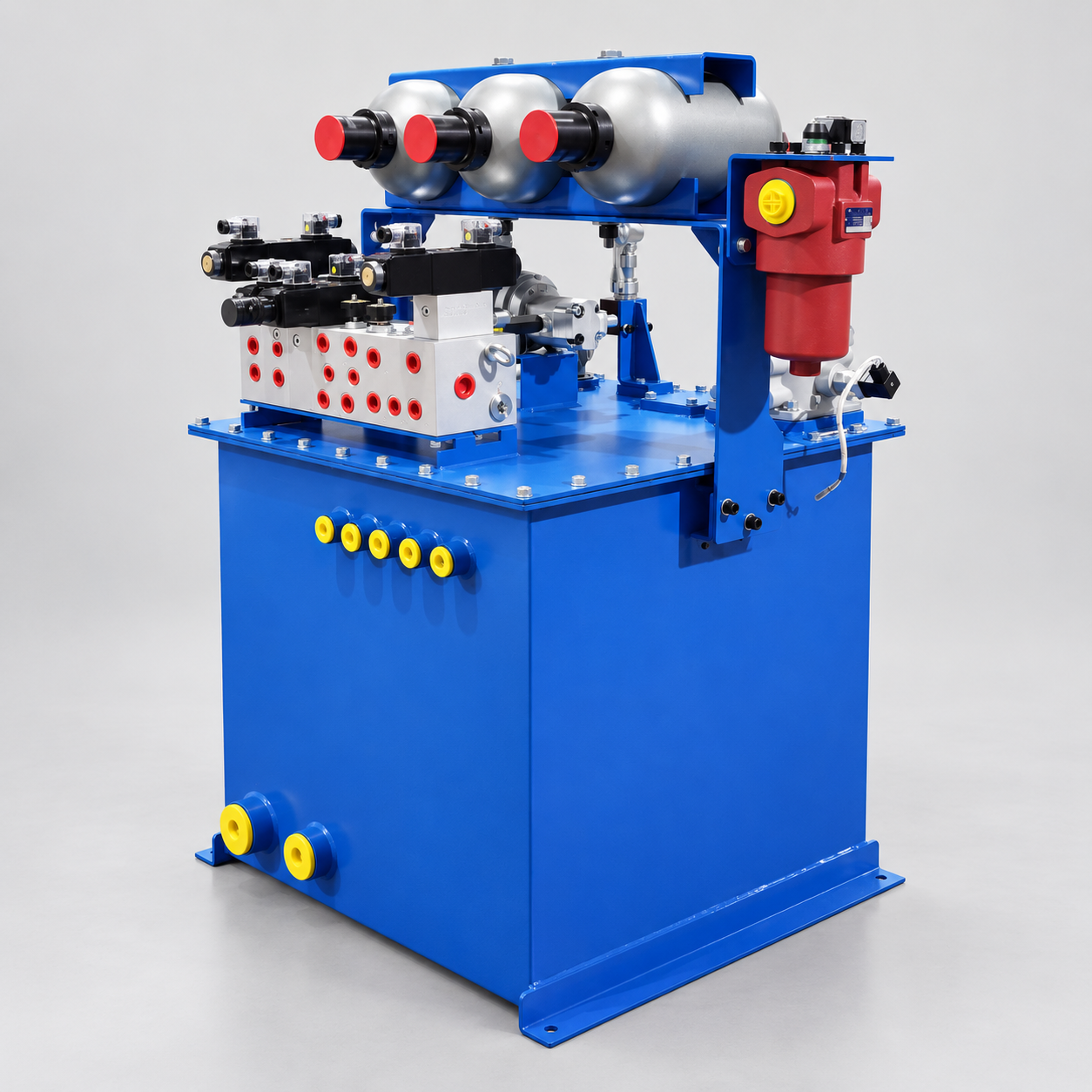
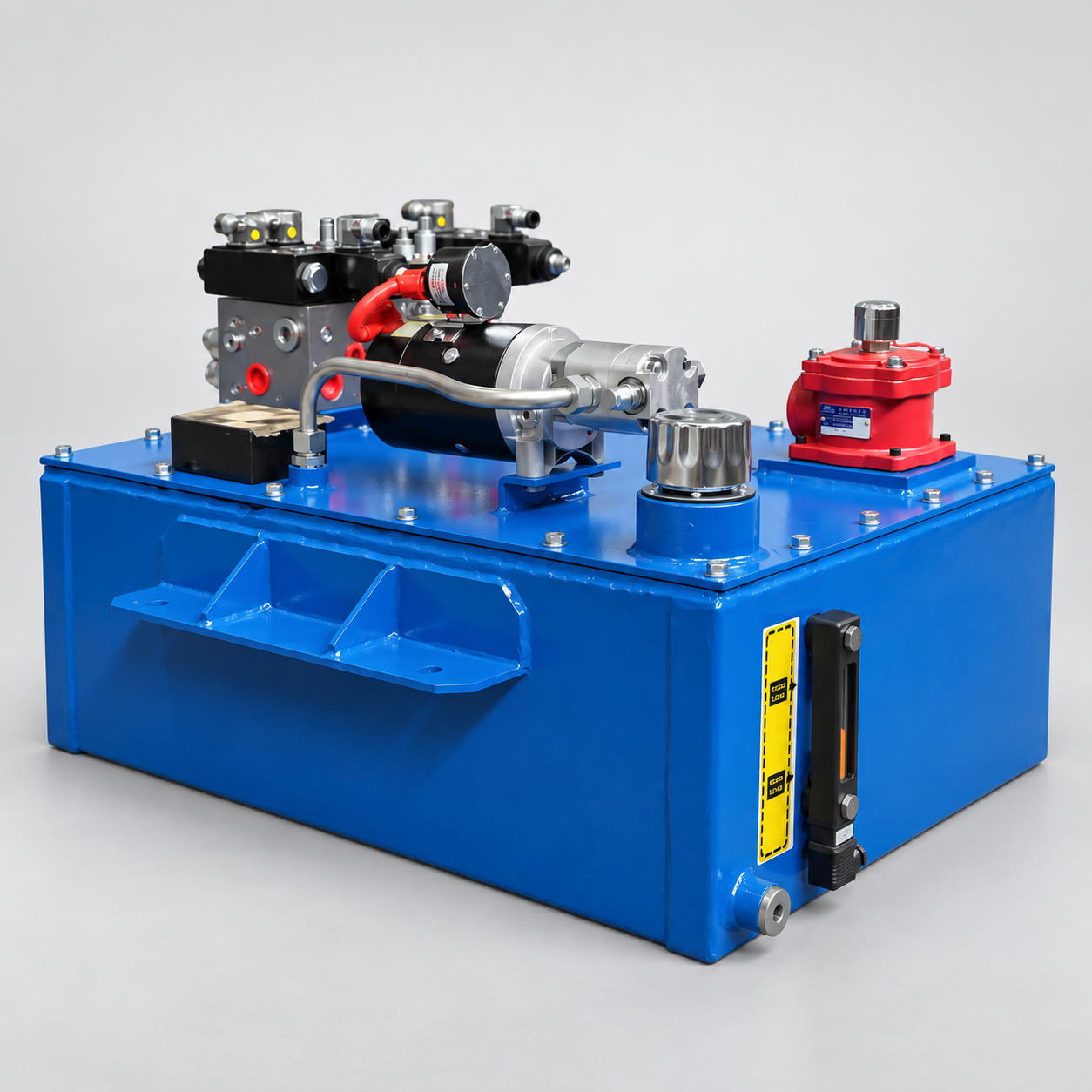
An industrial hydraulic power unit, often called an HPU or hydraulic station, is a complete power source for a hydraulic system. It normally includes an electric motor, hydraulic pump, oil tank, valves, filters, pressure gauges, cooling components, and control elements.
Unlike small hydraulic power packs used for compact lifting equipment, industrial hydraulic power units are designed for higher duty cycles, larger oil flow, higher power output, and more complex hydraulic circuits. They can support multiple cylinders, hydraulic motors, clamps, lifting points, or motion control functions at the same time.
In industrial applications, the HPU is not just a simple power source. It directly affects machine efficiency, movement accuracy, safety, energy consumption, and service life. This is why many industrial projects require customized hydraulic power units based on pressure, flow, tank capacity, cooling demand, valve control, installation space, and working environment.
Common Applications of Industrial Hydraulic Power Units
Industrial hydraulic power units are used in many machines that require strong, stable, and controlled hydraulic force. Instead of focusing on one single machine, an industrial HPU is usually designed according to the equipment’s pressure, flow, duty cycle, and control requirements.
Hydraulic Presses and Forming Equipment
Industrial hydraulic power units are commonly used in hydraulic presses, bending machines, stamping machines, and forming equipment. These machines need high pressure and stable force to press, bend, punch, or shape metal and other materials.
For this type of application, the HPU must provide reliable pressure, smooth movement, and good pressure-holding performance. A properly designed hydraulic power unit helps the machine work more safely and consistently.
Industrial Lifting and Material Handling Equipment
Hydraulic power units are widely used in lifting platforms, scissor lifts, dock levelers, stackers, industrial elevators, and loading systems. These machines require smooth lifting, controlled lowering, and safe load holding.
In lifting applications, safety valves, relief valves, flow control valves, and emergency lowering functions are often important. The HPU must provide enough pressure and flow to lift the load while keeping the operation stable and safe.
Machine Tools and Production Equipment
Many machine tools and production lines use hydraulic power units for clamping, positioning, tool changing, feeding, and auxiliary motion. These applications usually require stable pressure, compact structure, low noise, and reliable control.
A good hydraulic power unit helps improve machining accuracy, production efficiency, and equipment reliability. It is often customized according to the machine layout and working cycle.
Heavy-Duty Industrial Equipment
Industrial HPUs are also used in steel plants, mining equipment, waste compactors, recycling balers, and other heavy-duty machines. These applications often involve high load, long working hours, shock, vibration, dust, and harsh environments.
For these working conditions, the hydraulic power unit usually needs strong cooling capacity, good filtration, durable components, and easy maintenance. Reliability is especially important because equipment downtime can lead to high production losses.
Testing and Special Hydraulic Systems
Hydraulic power units are also used in hydraulic test benches, cylinder testing machines, valve testing systems, and customized hydraulic equipment. These systems may require accurate pressure control, adjustable flow, pressure holding, and data monitoring.
For test bench applications, the HPU is often designed with specific pressure ranges, control valves, sensors, and electrical control systems to meet different testing requirements.
How to Choose an Industrial Hydraulic Power Unit
Choosing the right industrial hydraulic power unit starts with understanding the working requirements of the machine. The most important factors include working pressure, required flow rate, motor power, tank capacity, hydraulic circuit type, duty cycle, oil temperature, control method, and installation environment.
For simple applications, a standard hydraulic power unit may be enough. For complex industrial equipment, a customized hydraulic station is usually a better choice. Customization may include special tank size, multiple pump groups, proportional valves, accumulator systems, cooling units, electric control cabinets, PLC control, special voltage, or different port standards.
The working environment should also be considered. For example, a steel plant may require high-temperature resistance, while a marine application may require anti-corrosion treatment. A test bench may need precise pressure control, while a waste compactor may need strong contamination protection.
Why Industrial Hydraulic Power Units Are Important
Industrial hydraulic power units are important because they convert electric power into strong hydraulic force. They allow machines to lift heavier loads, press materials, clamp workpieces, move large structures, and perform repeated operations with stable control.
Compared with purely mechanical or electric systems, hydraulic systems offer high power density, smooth movement, overload protection, and flexible system design. This makes hydraulic power units suitable for heavy-duty industrial applications where strength, reliability, and safety are required.
A well-designed HPU can improve equipment performance, reduce downtime, extend component service life, and lower long-term maintenance costs. For industrial buyers, the key is not only to buy a hydraulic unit, but to choose a hydraulic solution that matches the machine’s real working conditions.
Conclusion
Industrial hydraulic power units are used in many types of heavy-duty equipment, including hydraulic presses, machine tools, steel mill systems, injection molding machines, lifting equipment, waste handling machines, marine equipment, mining machinery, and hydraulic test benches.
Each application has different requirements for pressure, flow, cooling, control, safety, and durability. For this reason, industrial HPUs are often customized according to the machine design and working environment.
When selecting an industrial hydraulic power unit, buyers should focus on performance stability, circuit design, component quality, oil temperature control, filtration, maintenance convenience, and long-term reliability. A properly designed hydraulic power unit can help industrial equipment operate more safely, efficiently, and consistently.