HPU Meaning: What Is HPU?
Let’s start with the basics.
HPU meaning: HPU stands for Hydraulic Power Unit.
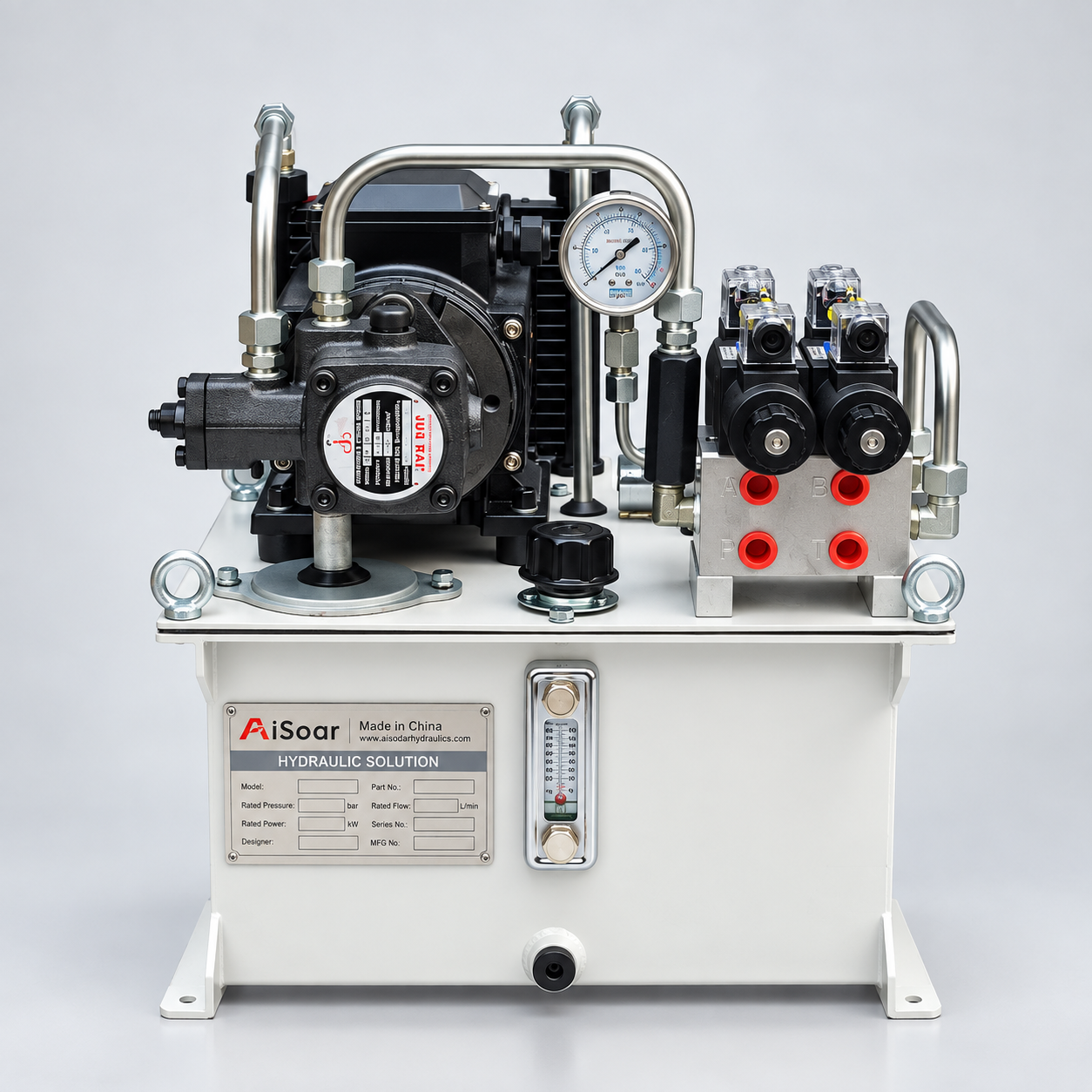
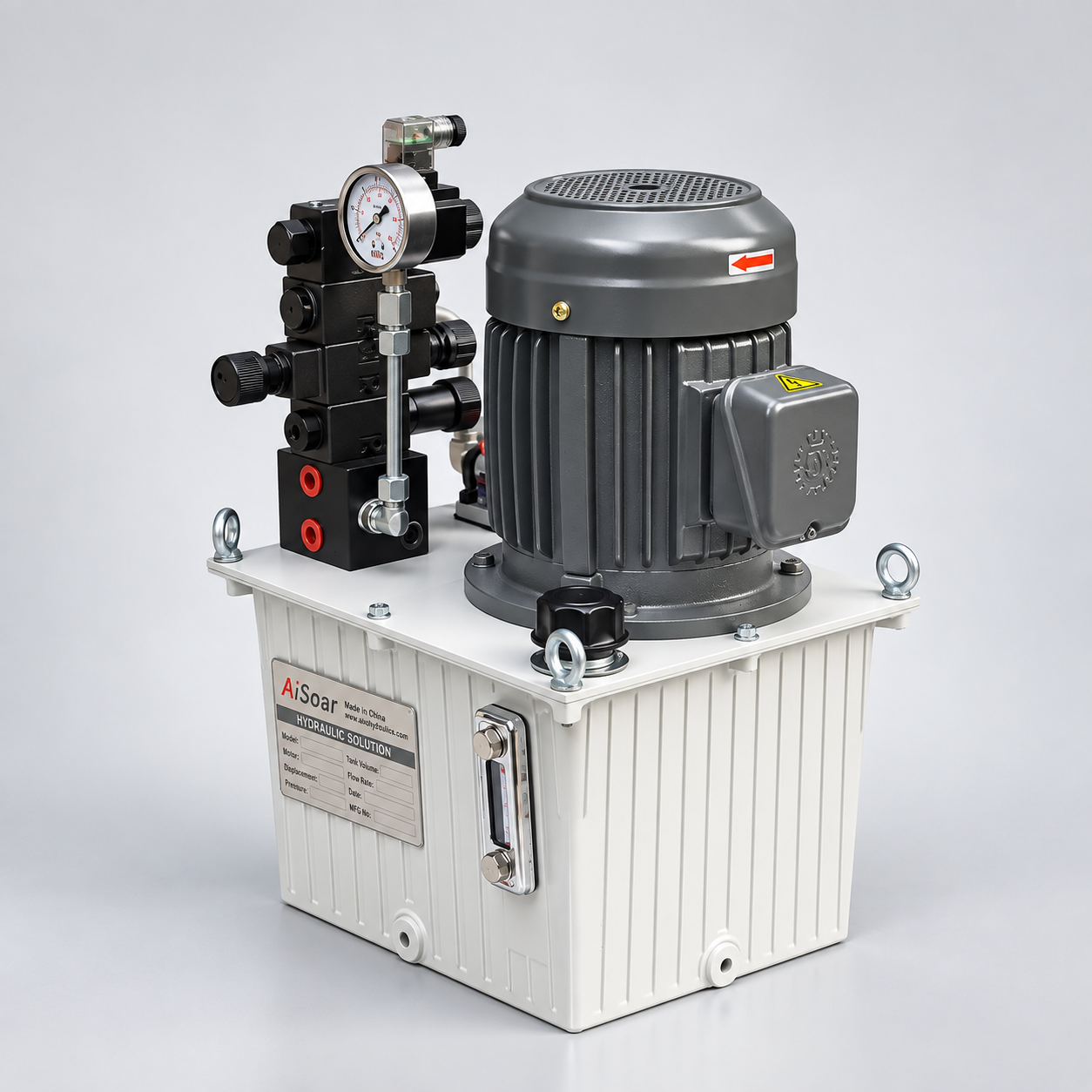
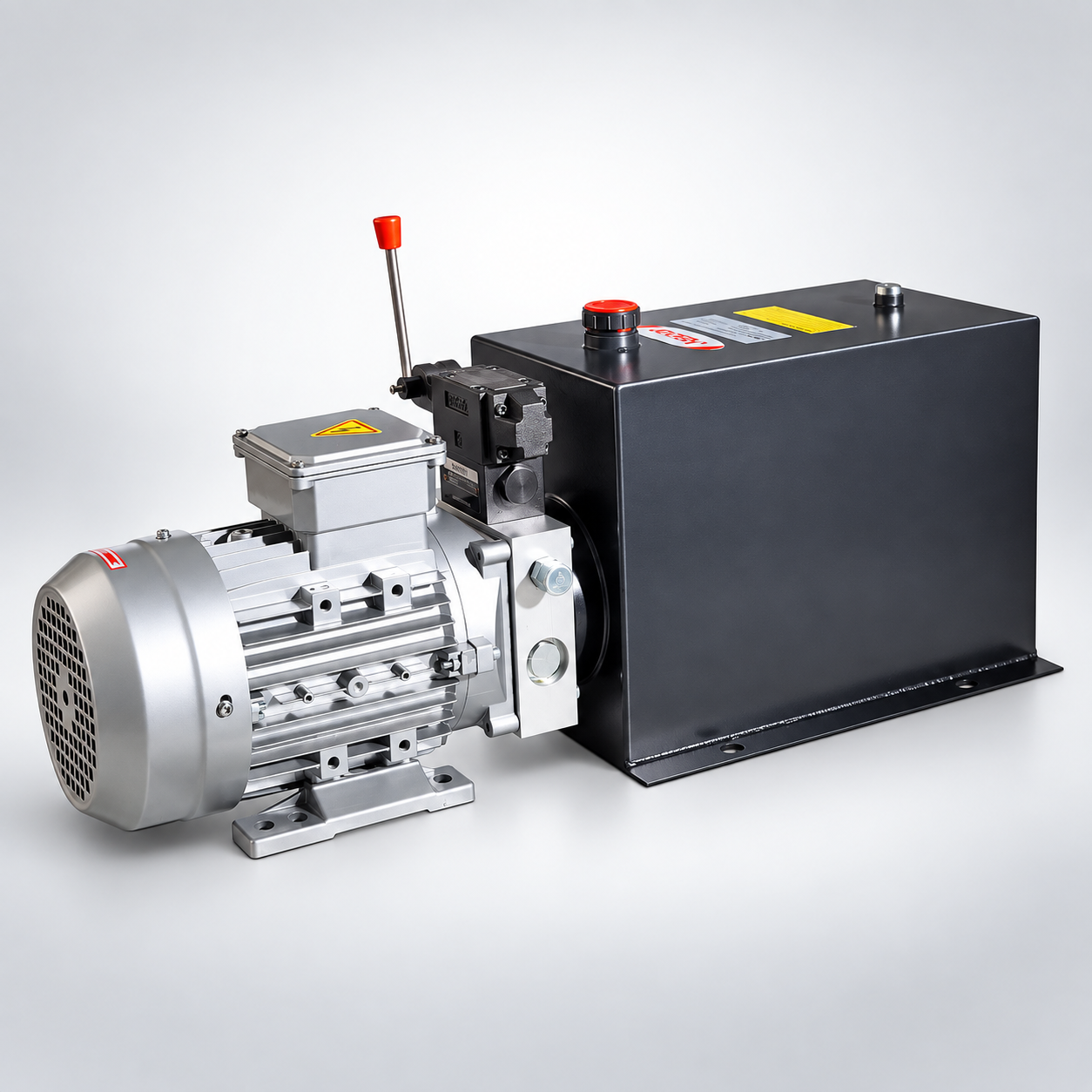
A hydraulic power unit is a packaged hydraulic power supply that typically includes a motor, pump, reservoir, valves, filters, and controls.
Its main job is to convert mechanical/electrical energy into hydraulic energy (fluid flow under pressure), then deliver that energy to actuators that perform work.
So if someone asks, “what is hpu?”, the short answer is:
An HPU is the central power source that drives hydraulic systems by providing pressurized fluid.
What Comprises a Hydraulic Power Unit (HPU)?
Understanding hydraulic power unit components helps you choose the right design and troubleshoot effectively.
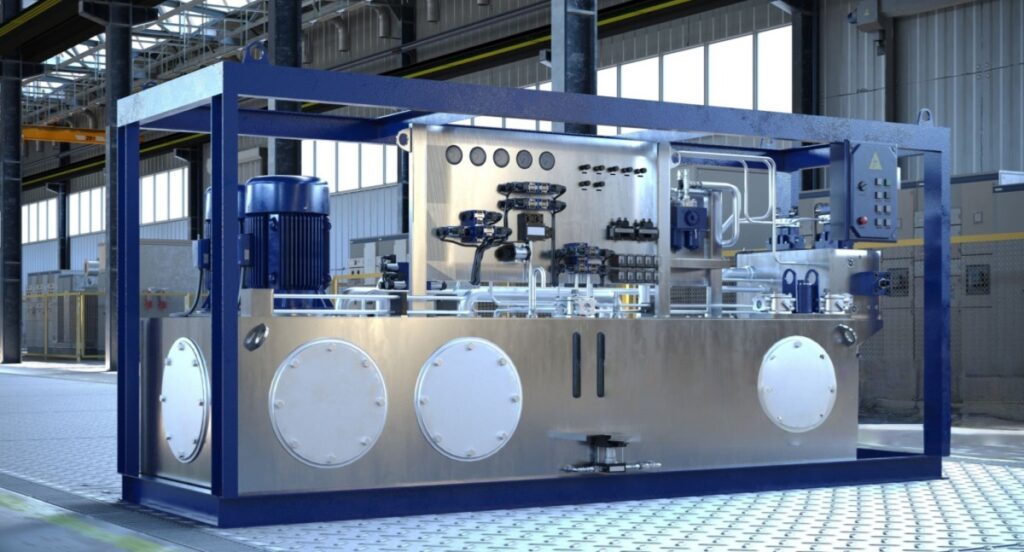
1. Prime Mover (Electric Motor or Engine)
The prime mover provides input power to turn the hydraulic pump.
- Electric motors are common in factories.
- Diesel/gas engines are used for mobile or remote systems.
2. Hydraulic Pump
The pump creates fluid flow. Common types include:
- Gear pumps
- Vane pumps
- Piston pumps
Pump selection impacts pressure capability, efficiency, and noise.
3. Reservoir (Tank)
The reservoir stores hydraulic fluid and helps with:
- Heat dissipation
- Air separation
- Contaminant settling
4. Hydraulic Fluid
Fluid transmits power, lubricates components, and carries heat away. Proper viscosity and cleanliness are critical.
5. Valves (Directional, Pressure, Flow Control)
Valves regulate where fluid goes and at what pressure/flow rate. They determine actuator speed, force, and direction.
6. Filters and Breathers
Filtration removes particles that cause wear and failure. Clean fluid dramatically extends HPU life.
7. Manifolds and Piping
These passages distribute fluid between components and reduce leak points in compact designs.
8. Cooling/Heating System
Depending on operating environment, HPUs may include oil coolers or heaters to maintain ideal fluid temperature.
9. Sensors and Control System
Pressure switches, temperature sensors, level gauges, and PLC/HMI controls improve precision and safety.
How Does a Hydraulic Power Unit Work?
Many people ask: How does a hydraulic power unit working?
A better phrasing is: How does a hydraulic power unit work?
Here is the process:
- The motor/engine drives the hydraulic pump.
- The pump draws oil from the reservoir.
- The pump pressurizes the fluid and sends it into the circuit.
- Control valves direct and regulate fluid flow.
- Hydraulic actuators (cylinders/motors) convert fluid power into linear or rotary motion.
- Return fluid flows back to the reservoir for recirculation.
This closed-loop power delivery enables high force output in compact systems, which is why hydraulic power units are widely used in heavy industries.
Applications of Hydraulic Power Units
A hydraulic power supply is used wherever controlled high force is needed. Typical applications include:
- Manufacturing: hydraulic presses, clamping systems, machine tools
- Construction equipment: lifts, booms, excavator attachments
- Material handling: dock levelers, lift tables, stackers
- Marine and offshore: winches, steering gear, deck machinery
- Energy sector: valve actuation, turbine control, maintenance tools
- Automotive and aerospace: test benches, assembly lines, braking test systems
- Industrial automation: synchronized motion and high-load positioning
Because of their flexibility, hyd power units can be custom-built for pressure, flow, duty cycle, and environmental conditions.
How to Maintain Your Hydraulic Power Unit
Regular maintenance prevents downtime and lowers total operating cost. Follow these best practices:
To maintain your hydraulic power unit, regularly check the hydraulic oil level and quality, replace filters on schedule, and inspect hoses, seals, and fittings for leaks. Keep the system clean to prevent contamination, monitor operating temperature and pressure, and fix unusual noise or vibration early. With routine inspection and preventive maintenance, your hyd power unit will run more efficiently, last longer, and avoid unexpected downtime.
We hope this brief guide has given you a clear understanding of hydraulic power units and how they support reliable system performance. If you have any further questions or need expert support with hydraulic system solutions, feel free to contact Zeus Hydratech — your trusted partner for hydraulic power unit design, manufacturing, and installation. Reach us via our website, by email at oversea@ai-soar.com