Hydraulic systems often fail when users misunderstand HPU design. This causes downtime, costly hydraulics repairs, and unsafe operation. Understanding the right hydraulic power unit components prevents failures and improves reliability.
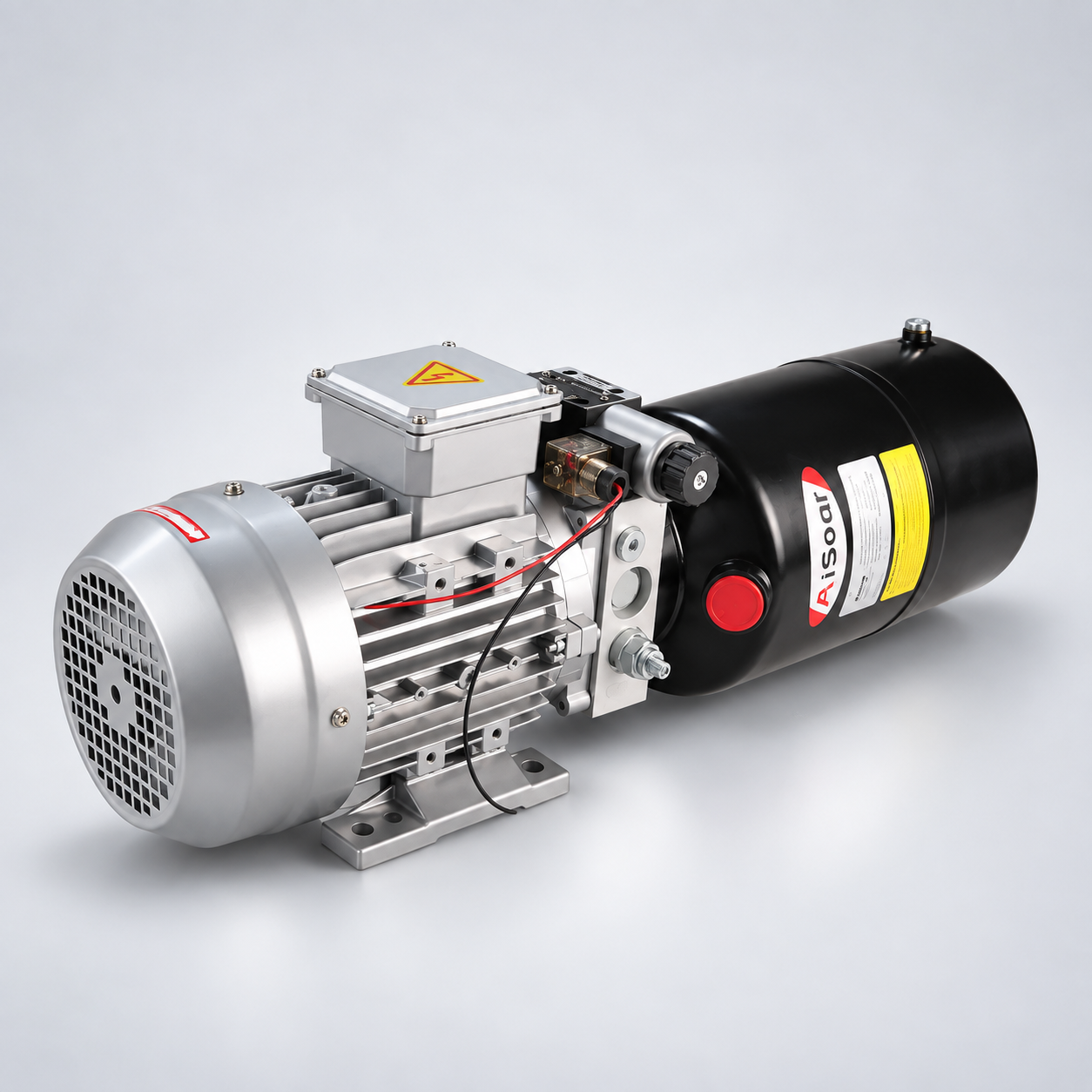
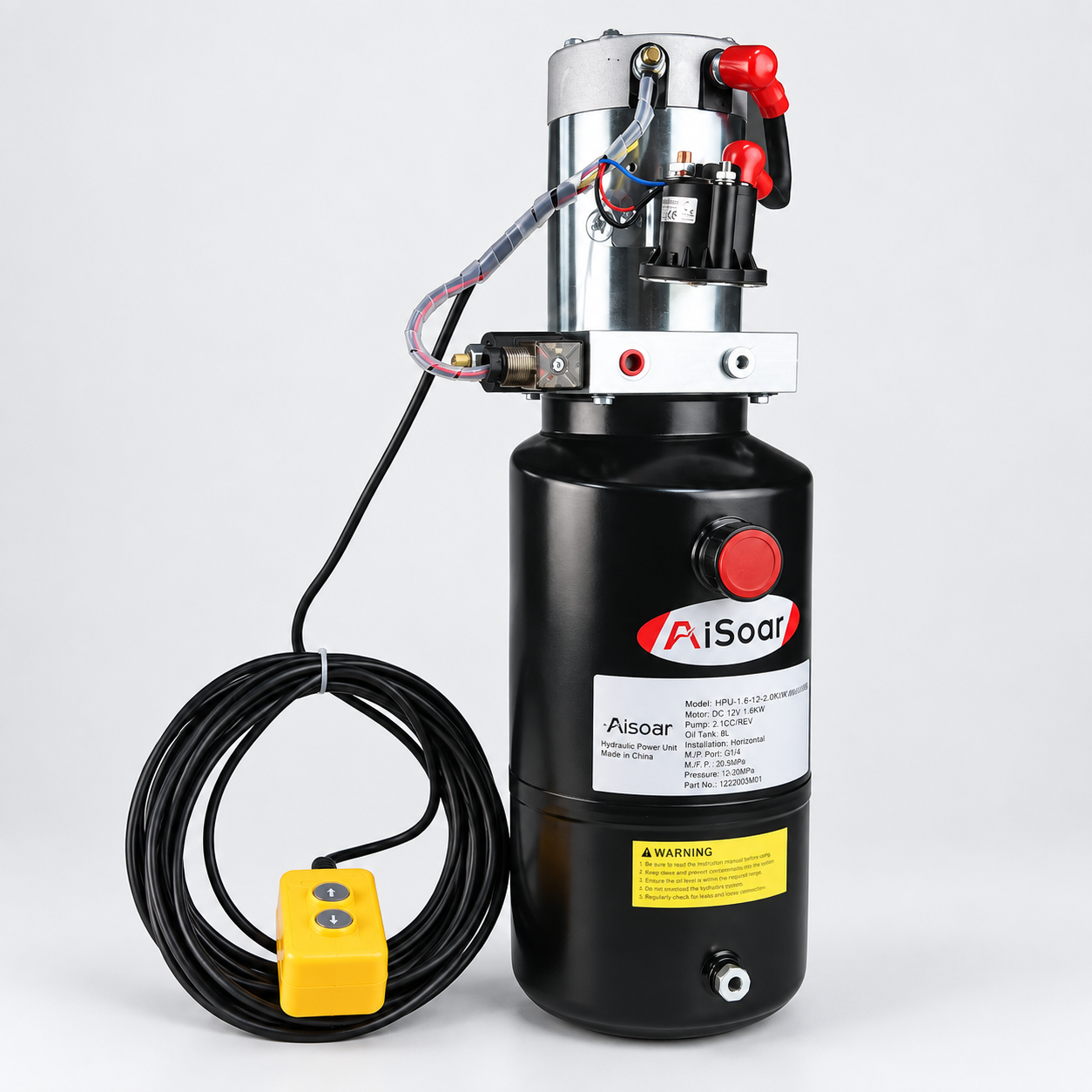
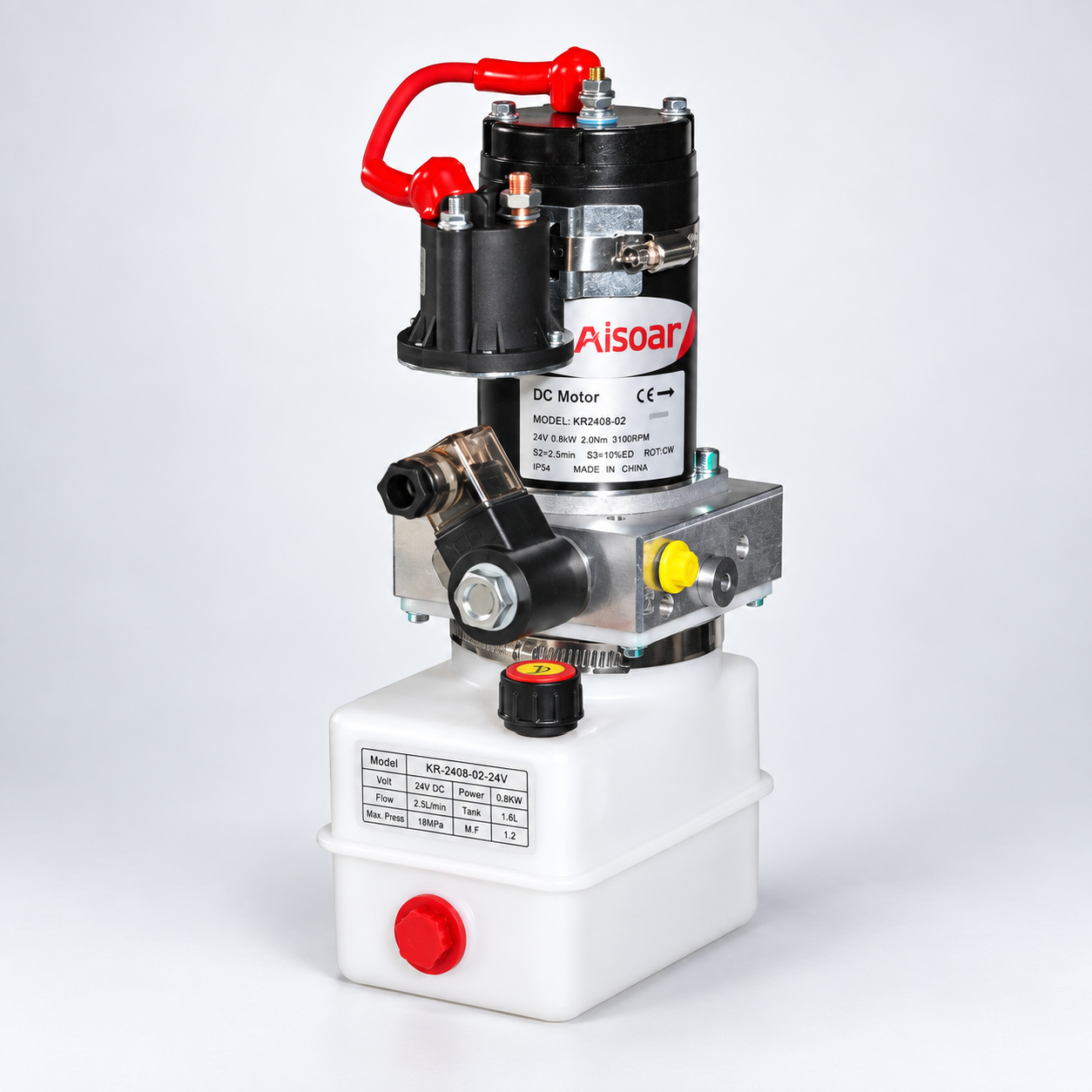
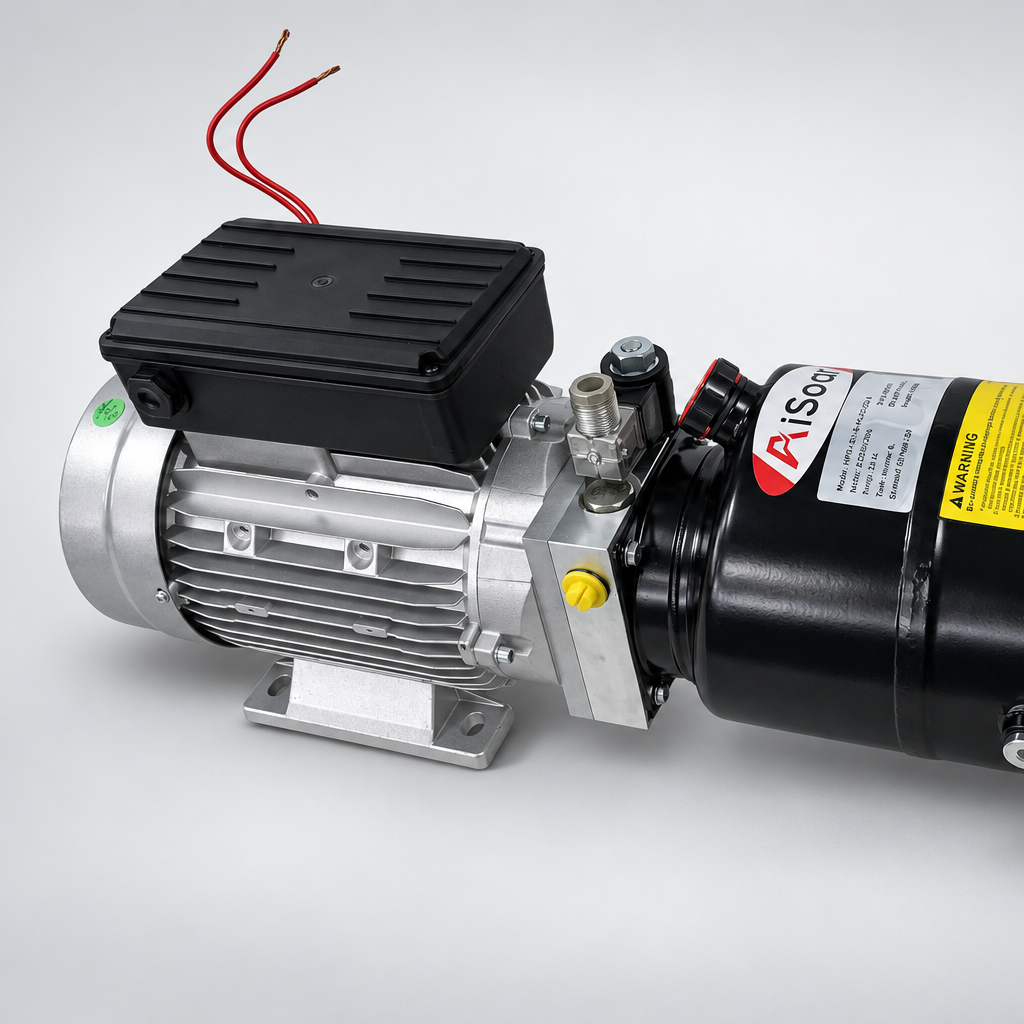
A mini hydraulic power unit (HPU) includes a motor, hydraulic pump, reservoir, valves, filters, pressure controls, and cooling elements. Together, these parts convert mechanical or electrical energy into controlled hydraulic force. Whether using a 12v hydraulic power unit, ac hydraulic power unit, or portable hydraulic power unit, proper component selection determines performance, safety, and service life.
Keep reading for a practical power units explanation covering structure, types, and how custom hydraulic power units meet demanding applications.
Table of Contents
ToggleWhat is a Mini hydraulic power unit?
A hydraulic power unit is a self-contained system that generates and controls hydraulic energy to drive cylinders, motors, and other actuators. In simple terms, it is the “heart” of a hydraulic machine. It takes input energy—typically from an electric motor, gas engine, or diesel engine—and converts it into pressurized hydraulic fluid flow. That flow then performs work such as lifting, pressing, rotating, or clamping.
Hydraulic power units are used in manufacturing equipment, mobile machinery, marine systems, vehicle lifts, agricultural equipment, and construction tools. You can find them in compact formats like a portable hydraulic power unit for field jobs or heavy-duty stationary systems for industrial plants. They also come in voltage-specific versions, such as a 12 volt dc hydraulic power unit for battery-powered environments. The value of an HPU lies in high force density, accurate control, and durable performance in harsh conditions.
What are the main components of a MIni hydraulic power unit?
The main components of hydraulic power units work as an integrated system. First is the prime mover, usually an electric motor (common in an electric hydraulic pump setup), which provides mechanical power. Second is the hydraulic pump, which creates fluid flow. Together, they define how much pressure and flow your system can deliver.
Third is the reservoir (tank), which stores hydraulic fluid, helps release heat, and allows air and contaminants to separate. Fourth are valves—directional, pressure, and flow control valves—that regulate actuator movement and system pressure. Fifth are filters, critical for fluid cleanliness and reduced wear. Sixth are pressure gauges, switches, and sensors, used for monitoring and protection. Seventh are cooling or heating devices, which maintain proper fluid viscosity and system efficiency. Finally, manifolds, hoses, fittings, and safety features connect and protect the system. Poor component matching is a common reason for early failure and expensive hydraulics repairs.
What are the different types of mini hydraulic power Pack?
Hydraulic power units can be classified by power source, mobility, circuit design, pressure capability, and configuration architecture. The best choice depends on required flow and pressure, duty cycle, portability, installation space, and operating environment.
By power source, common options include electric and engine-driven units. Electric systems are widely used in factories because they provide stable output, lower noise, and easier automation integration. Typical examples are an ac hydraulic power unit for fixed production lines and a 12v hydraulic power unit or 12 volt dc hydraulic power unit for battery-powered mobile machinery. In contrast, petrol or diesel hydraulic power units are better for remote areas where grid electricity is unavailable, such as outdoor construction, agriculture, mining, and emergency service work.
By mobility, hydraulic power units are either stationary or portable. Stationary systems are permanently installed, usually with larger reservoirs, stronger cooling, and higher continuous-duty capability for presses, conveyors, and plant equipment. A portable hydraulic power unit, on the other hand, is compact and easy to transport, making it ideal for field maintenance, mobile repairs, and temporary workstations.
By hydraulic circuit design, systems can be open-loop or closed-loop. Open-loop units send oil from tank to pump to actuator and back to tank, offering simple structure and easy maintenance. Closed-loop systems recirculate oil directly between pump and actuator/motor, improving efficiency and response speed for dynamic control applications.
By performance and architecture, options include high-pressure, multi-pump, and modular/custom designs. High-pressure units support extreme-force tasks such as bolt tensioning and heavy forming. Multi-pump units combine flow stages for faster cycles and better energy use. Custom hydraulic power units can be tailored with specific manifolds, valves, and materials for specialized sectors, including marine applications like a corrosion-resistant boat power pack. Additional classifications include single-acting vs. double-acting control, intermittent vs. continuous duty, and low-noise indoor configurations.
Can hydraulic power units be customized for specific applications?
Yes—custom hydraulic power units are extremely common and often necessary for optimal performance. Standard units can work for general tasks, but many industries require precise combinations of pressure range, flow rate, footprint, control method, and environmental protection. Customization can include motor voltage, pump displacement, manifold design, valve logic, reservoir capacity, filtration level, cooling strategy, and enclosure rating.
For example, a mobile service truck may need a compact 12v hydraulic power unit with fast cycle times and weather-resistant controls. A marine customer may request a boat power pack with anti-corrosion coatings, sealed connectors, and stainless hardware. Industrial users may require redundant pumps, advanced sensors, and PLC integration for predictive maintenance. Properly engineered custom units reduce energy waste, extend component life, and lower total ownership cost by minimizing unplanned hydraulics repairs. If you want a practica power units explanation, the key takeaway is simple: customization aligns hydraulic output with real operating demands, improving reliability, safety, and productivity.