Choosing the wrong hydraulic setup causes weak motion, downtime, and expensive hydraulics repairs. These failures hurt productivity and safety. The right hydraulic power unit selection prevents waste and improves reliability.
Single-acting hydraulic power units drive force in one direction and return by gravity or spring, while double-acting units power both extension and retraction. Single-acting systems are simpler and cheaper; double-acting systems offer higher control and precision. Your best choice depends on load behavior, duty cycle, control needs, and budget.
What is a hydraulic power unit?
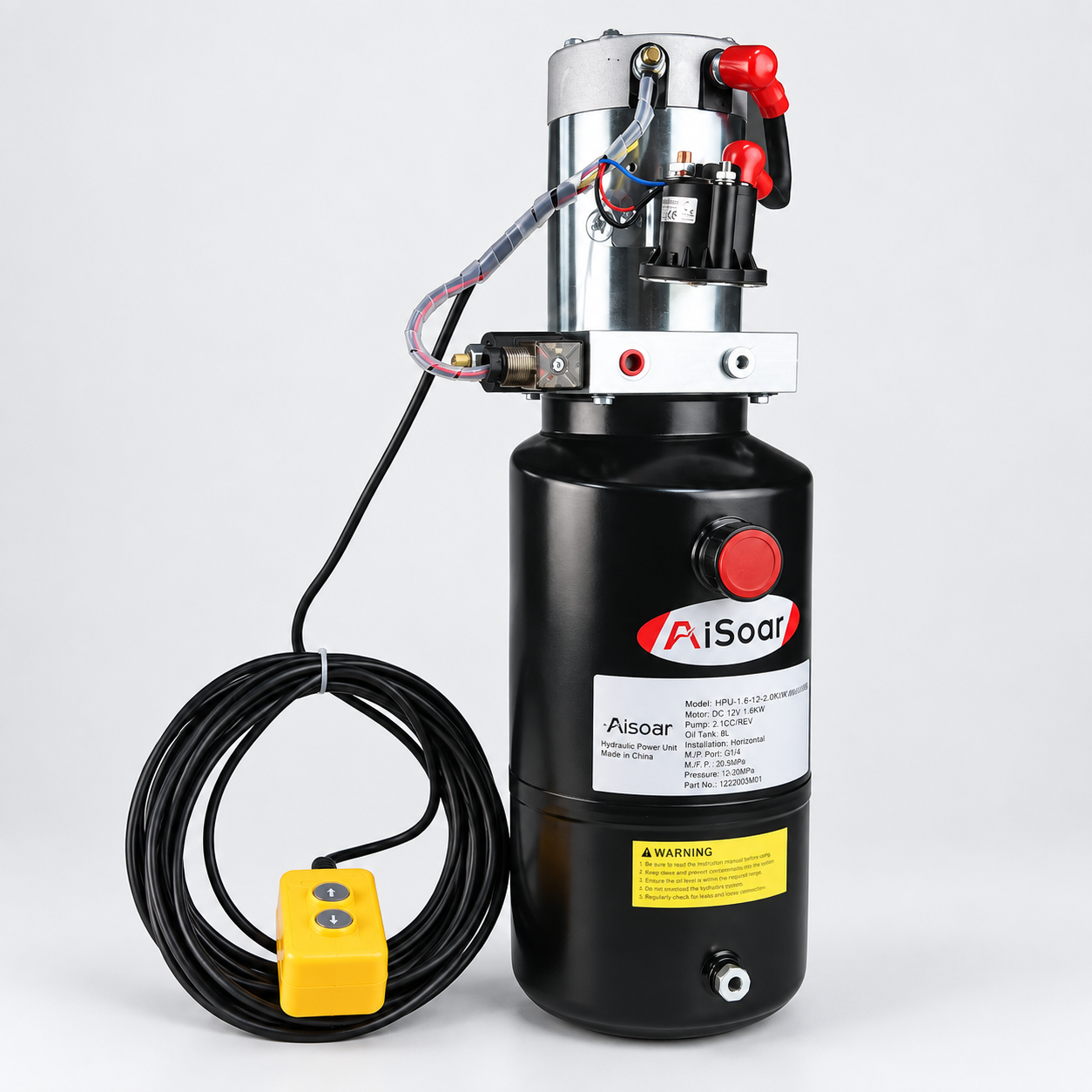
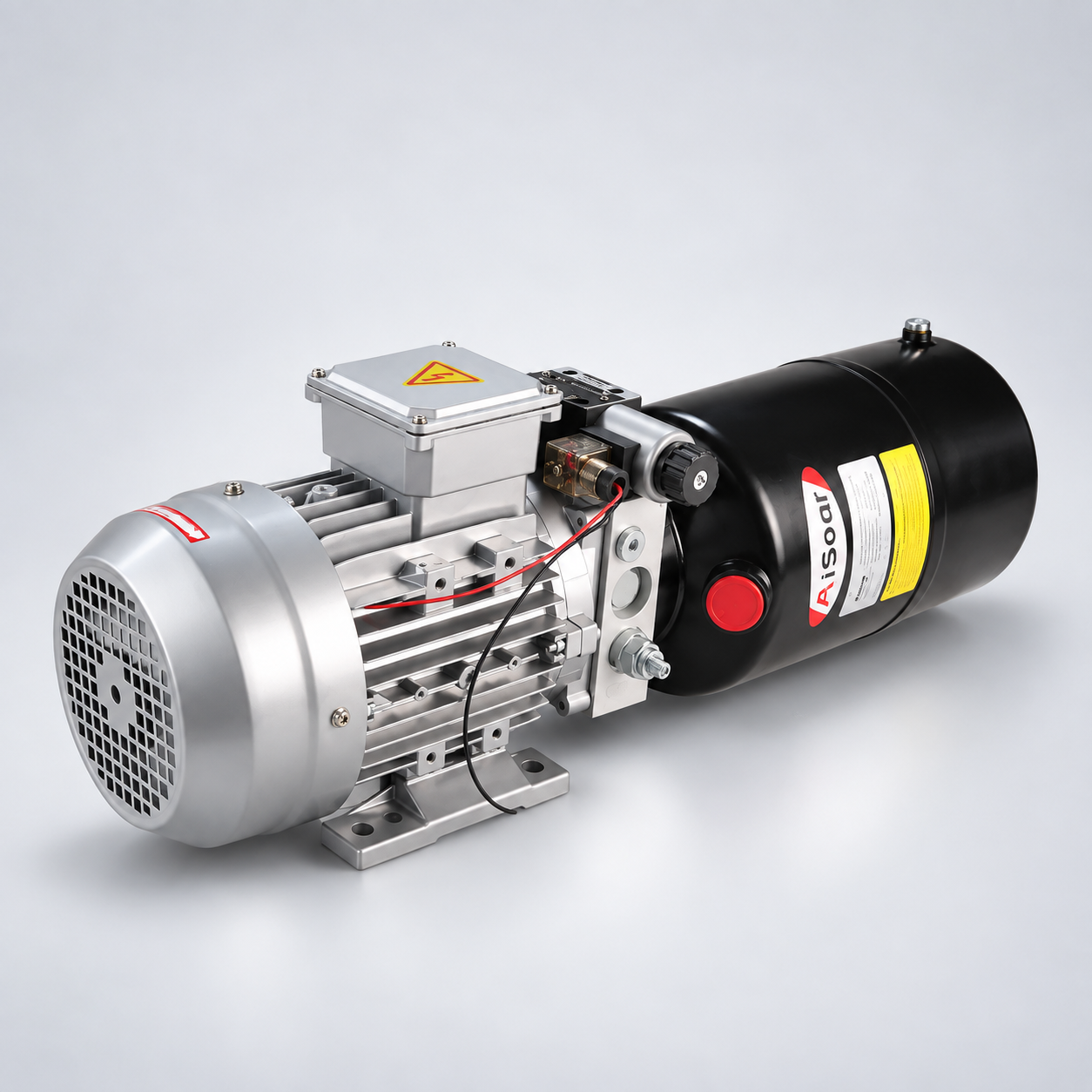
A hydraulic power unit is the energy source of a hydraulic system. It converts motor or engine power into hydraulic pressure and flow, which then drives cylinders or motors to perform work. In practical terms, the unit includes a prime mover, pump, reservoir, valves, filtration, and controls. You may see it called a hydraulic power pack or hydraulic power unit pack, especially in industrial catalogs. Depending on your site power, the prime mover can be an electric motor for an ac hydraulic power unit, or a DC motor in a 12v hydraulic power unit or 12 volt dc hydraulic power unit configuration for mobile equipment. Core sizing focuses on pressure (bar/psi), flow (L/min or GPM), and duty cycle. If these are mismatched, the system overheats, slows down, and requires frequent hydraulics repairs. Modern designs also include compact options such as mini hydraulic power unit and mini power pack models for tight spaces, plus portable hydraulic power units for field service and temporary jobs where mobility is critical.
What Is a Single-Acting Hydraulic Power Pack?
A single-acting unit sends pressurized oil to one side of the actuator, creating force in one direction only. The return movement happens without powered hydraulic force, usually by gravity, spring return, or load weight. This design keeps circuit architecture simple, which is why many users choose it for cost-sensitive tasks.
Common Applications
Best suited for tasks where powered return is not critical, such as:
- Dump trailers
- Basic lift tables
- Service tools with controlled lift and passive lowering
It often pairs well with a compact electric hydraulic pump arrangement when low complexity matters. In mobile environments, a 12v hydraulic power unit is a frequent choice because it runs from vehicle batteries and is easy to install. However, if your return stroke must be precise, fast, or independent of gravity, single-acting may underperform. Poor return control can cause inconsistent cycle times and operator frustration. Still, for straightforward applications with predictable loads, single-acting hydraulic power units deliver excellent value through lower purchase cost, fewer valves, and easier troubleshooting.
What Is a Double-Acting Hydraulic Power Pack?
A double-acting unit provides hydraulic force in both directions, powering extension and retraction actively. This means you can control speed, force, and positioning throughout the full motion cycle, not just one half. The valve manifold routes pressure to either side of the cylinder as needed, making response more consistent under changing load or orientation.
Typical Applications
Double-acting HPUs are commonly used in:
- Automation lines
- Clamping stations
- High-cycle machinery
- Any process requiring repeatable two-way motion
Double-acting systems are often selected in custom hydraulic power units because each process may require different pressure ramps, flow limits, holding functions, and safety logic. They can be built as stationary ac hydraulic power unit packages or as portable hydraulic power unit assemblies for service teams that need controlled two-way actuation on-site. The tradeoff is higher complexity and higher upfront cost, including additional valves, lines, and controls. Still, when process stability, cycle precision, and productivity matter, double-acting architecture usually reduces long-term operating risk and minimizes unplanned shutdowns.
Single-Acting vs Double-Acting HPU: Key Differences
| Single-Acting HPU | Double-Acting HPU | |
| Best For | Simple lifting tasks | Precision two-way motion |
| How It Works | Powers one direction, returns by gravity/spring | Powers both extend and retract |
| Control Level | Basic | Advanced |
| System Complexity | Simple | More sophisticated |
| Upfront Cost | Lower | Higher |
| Performance | Good for light-duty, straightforward jobs | Excellent for demanding, high-cycle applications |
| Ideal Users | Budget-focused projects | Performance-focused projects |
| Bottom Line | Cost-effective and easy to use | Maximum control, stability, and productivity |
How to Choose the Right HPU
Start with motion requirements, not price. Ask whether you need powered control in one direction or both. If retraction must be controlled for safety, speed, or synchronization, double-acting is usually necessary.
Next, define operating data: peak pressure, required flow, cycle frequency, ambient temperature, and run time. This determines motor size, pump displacement, cooling needs, and reservoir capacity.
Then match your power source: fixed plants often use an ac hydraulic power unit, while mobile systems rely on a 12v hydraulic power unit or 12 volt dc hydraulic power unit.
If your project has space constraints, consider a mini power pack or mini hydraulic power unit. If your application changes frequently across locations, a portable hydraulic power unit may reduce downtime. For specialized machines, invest in custom hydraulic power units with the right valves and controls from the beginning. Finally, plan serviceability—good filtration access, clear diagnostics, and quality components reduce hydraulics repairs costs over time. A well-specified hydraulic power unit pays back through uptime, efficiency, and predictable performance.