What Are the Types of Hydraulic Systems?
Leaking power, jerky motion, and costly downtime frustrate many operations. Ignoring hydraulic system design can cause overheating, seal failure, and safety risks. Understanding system types helps you choose reliable, efficient solutions.
A hydraulic system uses pressurized fluid to transmit force and motion through pumps, valves, actuators, and reservoirs. Main hydraulic system types include open-loop and closed-loop designs, plus classifications by power source, control method, and application. Choosing the right architecture improves efficiency, precision, safety, and lifecycle cost in industrial, mobile, and marine equipment.
Before selecting components, you need a clear comparison of hydraulic system structures, where each one performs best, and what trade-offs matter most.
What Is Hydraulic System?
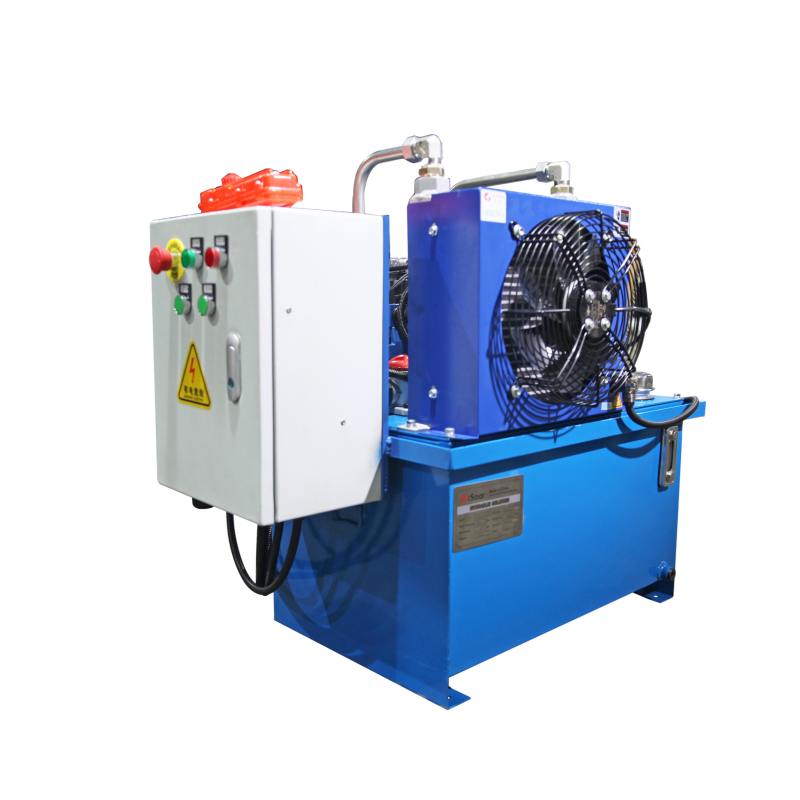
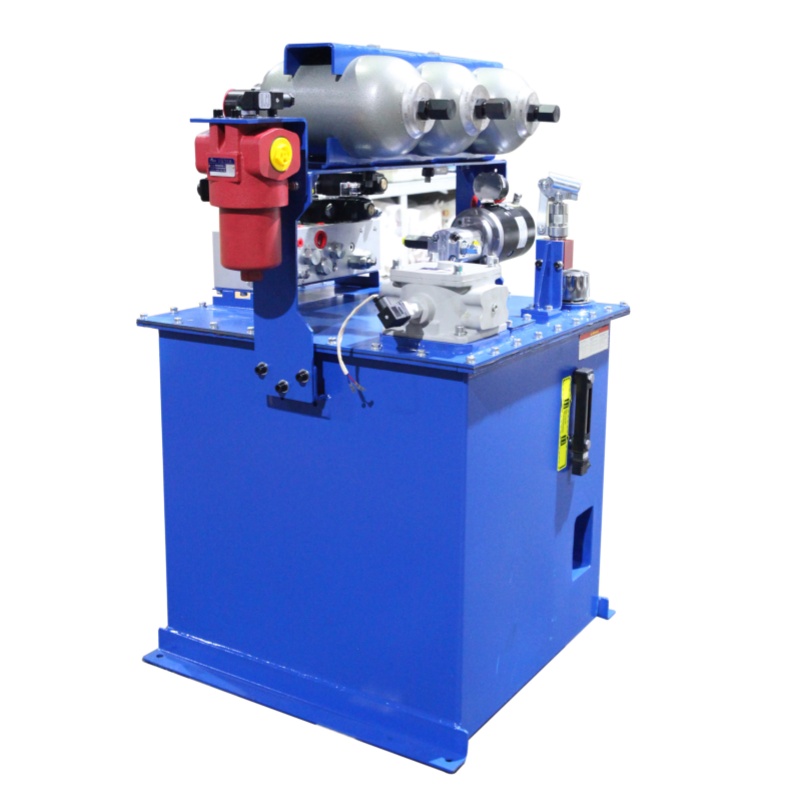
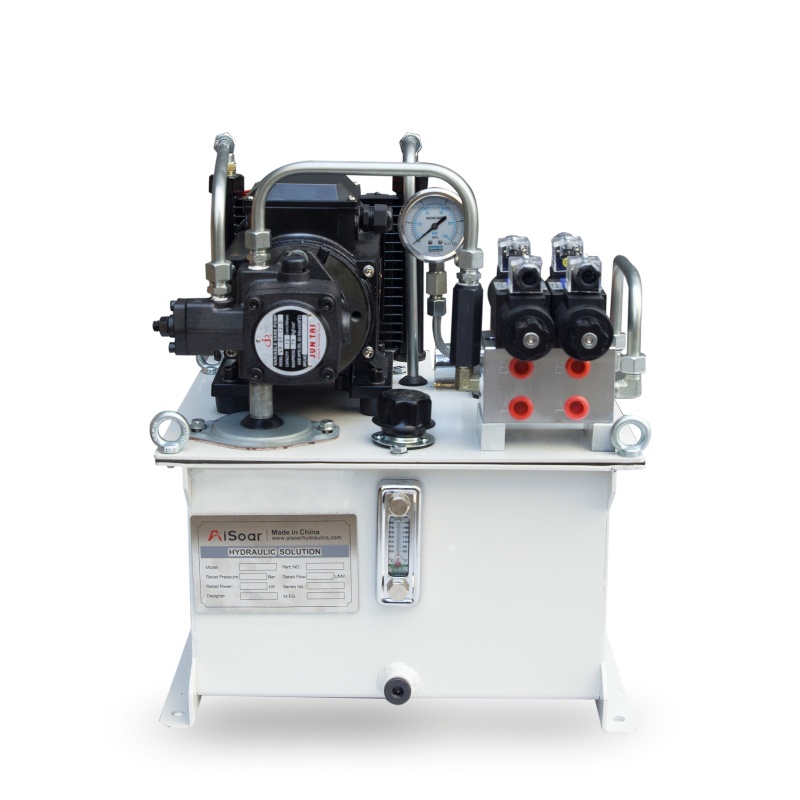
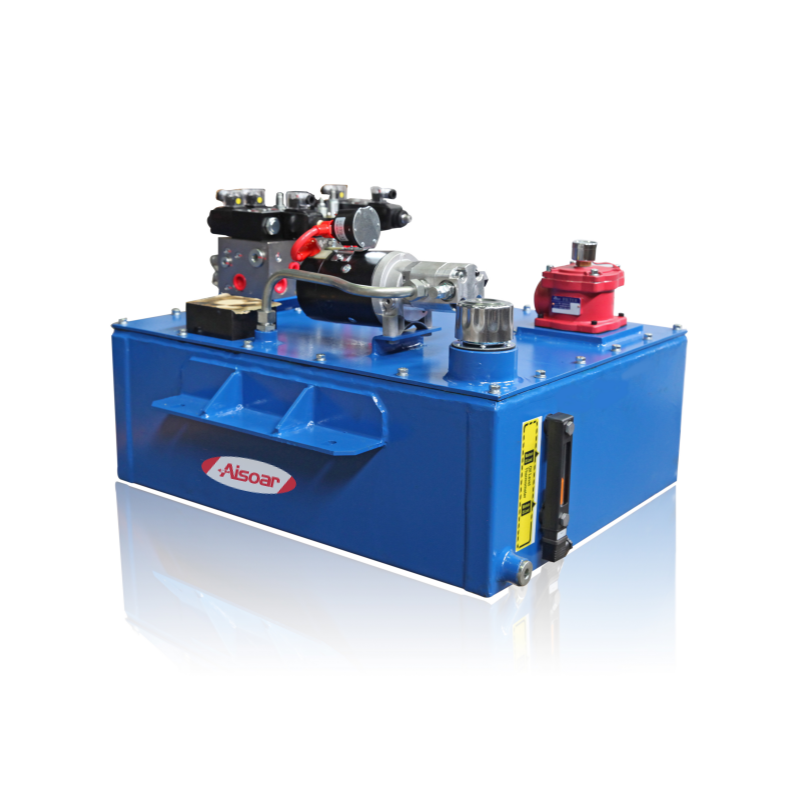
A hydraulic system is a power transmission setup that uses incompressible fluid—usually oil—to transfer energy from a power source to an actuator. In simple terms, it converts mechanical energy into fluid pressure and then back into mechanical force or motion. A basic system includes a reservoir, pump, control valves, filters, piping, and actuators such as hydraulic cylinders or motors. Because pressure can be controlled very precisely, hydraulics are widely used where high force and smooth movement are required.
To understand hydraulic hydraulics in practice, think of how an excavator arm lifts heavy loads, how a press machine forms steel sheets, or how aircraft landing gear retracts reliably. These are common hydraulic system examples where compact components generate significant force. Pascal’s law is the core principle: pressure applied to a confined fluid is transmitted equally in all directions. This allows relatively small input forces to produce large output forces. In real-world engineering, system performance depends on fluid cleanliness, temperature management, seal integrity, and proper valve tuning. A well-designed hydraulic system delivers repeatable motion, high power density, and reliable control even under tough operating conditions.
Types of Hydraulic Systems
Hydraulic systems can be classified in several practical ways. To choose the right hydraulic system, engineers usually evaluate circuit flow path, control method, pump configuration, and application scenario. The following classification makes comparison clearer and helps match system design to real operating needs.
2.1 Classified by Circuit Structure: Open-Loop vs Closed-Loop
The most common classification is based on fluid circulation path.
An open-loop hydraulic system sends oil from the reservoir to the pump, then through valves and actuators, and finally back to the tank. This architecture is widely used in industrial presses, lifting platforms, and standard machinery because it is easier to cool, filter, and maintain. Many beginner-level hydraulic system examples belong to this type.
A closed-loop hydraulic system circulates fluid directly between pump and actuator (usually a motor), with only auxiliary flow returning to the tank. It is often used in hydrostatic drives, skid-steer vehicles, and propel systems requiring fast response. Closed-loop systems are compact and efficient in dynamic motion control, but they demand stricter oil cleanliness and higher technical management.
2.2 Classified by Control Mode: Manual, Mechanical, and Electro-Hydraulic
Hydraulic systems can also be grouped by how they are controlled.
Manual hydraulic systems rely on hand-operated valves and are suitable for simple tools such as hydraulic jacks or workshop equipment. They are low-cost and straightforward, but limited in precision and automation.
Mechanical hydraulic control uses cams, levers, and linkages to trigger valve movement. This is common in traditional machinery where repeatable motion is needed without full electronic integration.
Electro-hydraulic systems combine electronics and hydraulics using solenoid, proportional, or servo valves. These systems offer high-precision control, programmable operation, and better integration with PLC or industrial automation platforms. In modern hydraulic hydraulics, electro-hydraulic control is increasingly preferred for smart manufacturing and high-performance equipment.
2.3 Classified by Pump Type: Constant Displacement vs Variable Displacement
Pump configuration strongly affects efficiency and controllability.
A constant displacement pump system delivers fixed fluid volume per revolution. Flow control is often achieved through throttling or bypass, which is simple but can create energy loss and heat.
A variable displacement pump system adjusts output according to load demand. This improves energy efficiency, reduces unnecessary pressure buildup, and lowers oil temperature. It is common in advanced industrial and mobile hydraulic system examples where operating conditions change frequently.
2.4 Classified by Pressure Level: Low, Medium, and High Pressure Systems
Different industries use different pressure ranges.
Low-pressure hydraulic systems are used where force demand is moderate and safety margin is high, such as light material handling.
Medium-pressure systems are the most common in industrial machinery, balancing cost, durability, and performance.
High-pressure hydraulic systems are used in heavy-duty applications like forging presses, construction machinery, and offshore equipment. These systems provide huge force output but require stronger components, better sealing, and tighter safety control.
2.5 Classified by Application: Mobile, Industrial, Marine, and Aerospace
From a user perspective, application-based classification is very practical.
Mobile hydraulic systems are found in excavators, cranes, tractors, and road machinery. They emphasize compactness, shock resistance, and field reliability.
Industrial hydraulic systems are used in presses, injection molding machines, and automated production lines. They prioritize repeatability, precision, and continuous-duty performance.
Marine hydraulic systems support steering gears, winches, and deck machinery, requiring corrosion resistance and stable operation in humid, salty environments.
Aerospace hydraulics control landing gear, flaps, and braking systems. They require extremely high reliability, strict weight limits, and rigorous certification standards
Advantages and Disadvantages of Hydraulic Systems
Advantages of Hydraulic Systems
- High power density
A hydraulic system can produce very large force from compact components, making it ideal for heavy-duty operations such as lifting, pressing, and construction machinery.
- Precise and smooth control
Hydraulics support smooth, stepless adjustment of speed, force, and direction. With proper design, they deliver stable and accurate motion control.
- Built-in overload protection
Relief valves can limit pressure and protect components from overloading, reducing the risk of sudden mechanical failure.
- Strong environmental adaptability
Many hydraulic system examples show reliable operation under shock, vibration, dust, and outdoor conditions where some electric systems require extra protection.
- High durability in demanding applications
In industries requiring continuous heavy force output, hydraulic hydraulics often provide long-term robustness and consistent performance.
Disadvantages of Hydraulic Systems
- Leakage risk
Oil leakage can lower efficiency, increase maintenance cost, and cause environmental or safety issues.
- Heat generation
Throttling losses and continuous fluid circulation may increase oil temperature, which can accelerate seal aging and reduce system stability.
- Sensitivity to contamination
Particles and moisture in hydraulic oil can damage pumps, valves, and actuators, causing unstable operation or early failure.
- Higher routine maintenance demand
Compared with some electric systems, hydraulics typically require more frequent oil checks, filter replacement, and seal inspection.
- Potential noise problems
Certain pumps and high-flow circuits may produce noticeable noise, especially in enclosed or high-load environments.
- Complex initial system design
Proper sizing of lines, pressure settings, and component matching is critical; poor design can reduce efficiency and reliability.
Practical Conclusion
Hydraulic systems are best when your priority is high force, durability, and controllability.
Their limitations can be managed through correct system selection, preventive maintenance, and condition monitoring (pressure, temperature, and oil cleanliness).
With good engineering and service practices, a hydraulic system can provide strong long-term operational value.