A hydraulic system that moves slowly can reduce machine productivity, increase cycle time and make normal operations feel weak or unresponsive. In some cases, the entire system becomes slow. In others, only one cylinder or hydraulic motor is affected, or the system works normally when cold but becomes slower after running for a period of time.
Slow hydraulic movement is usually related to insufficient flow, excessive restriction, internal leakage, incorrect oil viscosity or changing system conditions. The fastest way to find the cause is to first identify when and where the slowdown occurs, then check the hydraulic system in a logical sequence.
Identify How the Hydraulic System Is Moving Slowly
Before replacing a pump or adjusting a valve, determine which type of slow-operation problem you are experiencing.
The Entire Hydraulic System Is Slow
If all cylinders or hydraulic motors are moving slower than normal, the problem is more likely to be located in a common part of the hydraulic system.Typical causes include insufficient pump flow, low pump speed, a restricted suction line, clogged filter, incorrect hydraulic oil viscosity or a system-wide flow restriction.A worn hydraulic pump can also reduce available flow, especially when the machine is operating under load.
Only One Hydraulic Actuator Is Slow
If most of the hydraulic system operates normally but one cylinder or motor moves slowly, the problem is more likely to be located in that individual branch.Possible causes include a partially blocked valve, incorrect flow-control setting, damaged hose, internal leakage in the actuator or excessive mechanical resistance.
In this situation, replacing the main pump is unlikely to solve the problem because the rest of the hydraulic system is still receiving normal flow.
The Hydraulic System Becomes Slow After Warming Up
A hydraulic system may operate normally during startup but gradually slow down as the oil temperature increases.
As hydraulic oil becomes warmer, its viscosity decreases. In worn pumps, cylinders or valves, thinner oil can increase internal leakage. More pump flow then bypasses internally instead of reaching the actuator.
This symptom is often a useful indicator of wear or internal leakage rather than a simple pump-speed problem.
How to Diagnose a Slow Hydraulic System
A structured diagnosis helps determine whether the problem comes from the pump, hydraulic oil, valves, restrictions or actuators.
Step 1: Check Hydraulic Oil Level and Condition
Start with the reservoir. Confirm that the hydraulic oil level is correct and inspect the condition of the fluid.
A low oil level can allow air to enter the pump inlet, reducing pump efficiency and creating unstable movement. Foamy or cloudy oil may indicate aeration, while very dark or contaminated oil can affect filters, valves and other components.
Oil viscosity also matters. If the hydraulic fluid is too thick during cold startup, the pump may struggle to draw enough oil. If the oil is too thin at high temperature, internal leakage can increase and reduce usable flow.
The selected hydraulic oil should therefore match the expected operating temperature and pump requirements.
Step 2: Check Hydraulic Pump Flow
Cylinder and motor speed depend heavily on hydraulic flow. If the pump is not supplying the required flow, the entire system may move slowly even if pressure readings appear acceptable.
A worn hydraulic pump may lose volumetric efficiency as internal clearances increase. At low load, the system may still operate reasonably well, but under higher pressure more oil can leak internally.
Pump speed should also be checked. An electric motor, engine or PTO operating below the expected speed will reduce pump flow.
For systems where pump performance is uncertain, measuring actual flow under working conditions is more useful than relying only on a pressure gauge.
Step 3: Check Filters, Suction Lines and Flow Restrictions
Restricted oil flow is another common cause of slow hydraulic operation.
A clogged suction strainer can limit the amount of oil reaching the pump. A blocked return or pressure filter may also increase pressure drop and reduce effective system flow.
Hoses and pipes should be checked for collapse, internal damage or undersizing. A hose may appear normal externally while its internal structure partially restricts flow.
Valves, fittings and manifold passages can also create excessive restriction if they are undersized or contaminated.
Pressure measurements taken before and after a suspected restriction can help identify an abnormal pressure drop.
Step 4: Check Hydraulic Valves and Flow Controls
Directional and flow-control valves directly influence how much oil reaches the actuator.
A flow-control valve adjusted too far closed will reduce actuator speed by design. A directional valve that does not shift fully may also restrict the flow path.
Contamination can cause valve spools or cartridges to stick, preventing full opening. Internal wear can create additional leakage through the valve, reducing the amount of usable flow available to the cylinder or hydraulic motor.
If only one hydraulic function is slow, the valve controlling that function should be inspected before assuming that the main pump is faulty.
Step 5: Check for Internal Leakage
Internal leakage allows oil to bypass the intended working path without creating an obvious external leak.
A worn cylinder piston seal may allow oil to move from one side of the piston to the other. The cylinder may still move, but its speed and force can decrease, particularly under load.
Hydraulic motors, directional valves and pressure-control valves can also develop internal leakage.
If the system becomes significantly slower as the oil temperature rises, internal leakage should receive particular attention because lower oil viscosity can make worn clearances more noticeable.
Step 6: Check the Mechanical Load
Not every slow hydraulic actuator is caused by a hydraulic problem.
A binding machine linkage, damaged bearing, bent component or excessive external load can increase the resistance against the actuator. More hydraulic pressure is then required to move the mechanism, and movement may appear slower than normal.
Comparing hydraulic behavior with and without the mechanical load can help determine whether the problem is inside the hydraulic circuit or the machine itself.
A practical diagnosis sequence is:
Oil Level & Condition → Pump Flow → Filters & Restrictions → Valves → Internal Leakage → Mechanical Load
How to Fix a Slow Hydraulic System
The correct solution depends on the actual cause.
If the pump is not supplying enough flow because of wear, it may require repair or replacement. If pump speed is too low, the prime mover and drive system should be checked.
Restricted filters, suction strainers or damaged hoses should be replaced or corrected. Flow-control valves should be adjusted according to the required actuator speed, while contaminated or sticking control valves may require cleaning, repair or replacement.
If internal leakage is found in a hydraulic cylinder, worn piston seals may need to be replaced. Leakage through valves or hydraulic motors should be addressed according to the affected component.
Oil-related problems may require changing to the correct viscosity grade, removing air from the system or correcting overheating conditions.
After repairs, test the machine under its actual working load and compare cycle time, pressure and oil temperature with the expected operating values.
Common Mistakes When Diagnosing Slow Hydraulic Movement
A common mistake is assuming that slow movement automatically means the hydraulic pump is damaged. While insufficient pump flow is one possible cause, restricted valves, clogged filters, internal leakage and mechanical resistance can produce similar symptoms.
Another mistake is increasing system pressure to make the actuator move faster. Pressure mainly determines the ability to overcome load, while flow primarily determines actuator speed. Increasing relief-valve pressure does not normally solve a flow problem and may expose the hydraulic system to unnecessary stress.
It is also important to avoid diagnosing the complete system based on only one actuator. If one function is slow but all others work normally, the problem is more likely to be in the individual valve, hose or actuator branch.
Conclusion: Diagnose Hydraulic Flow Before Replacing Components
A slow hydraulic system is usually caused by insufficient usable flow reaching the actuator.
The source may be a worn pump, low pump speed, restricted filter, damaged hose, incorrect valve setting, internal leakage, unsuitable oil viscosity or excessive mechanical resistance.
The first step is to determine whether the entire hydraulic system is slow, only one actuator is slow, or the system becomes slow after warming up. This immediately narrows the number of possible causes.
A structured diagnosis based on oil condition, pump flow, restrictions, valves and internal leakage can usually identify the problem more accurately than replacing hydraulic components at random.
Need Help with a Hydraulic System?
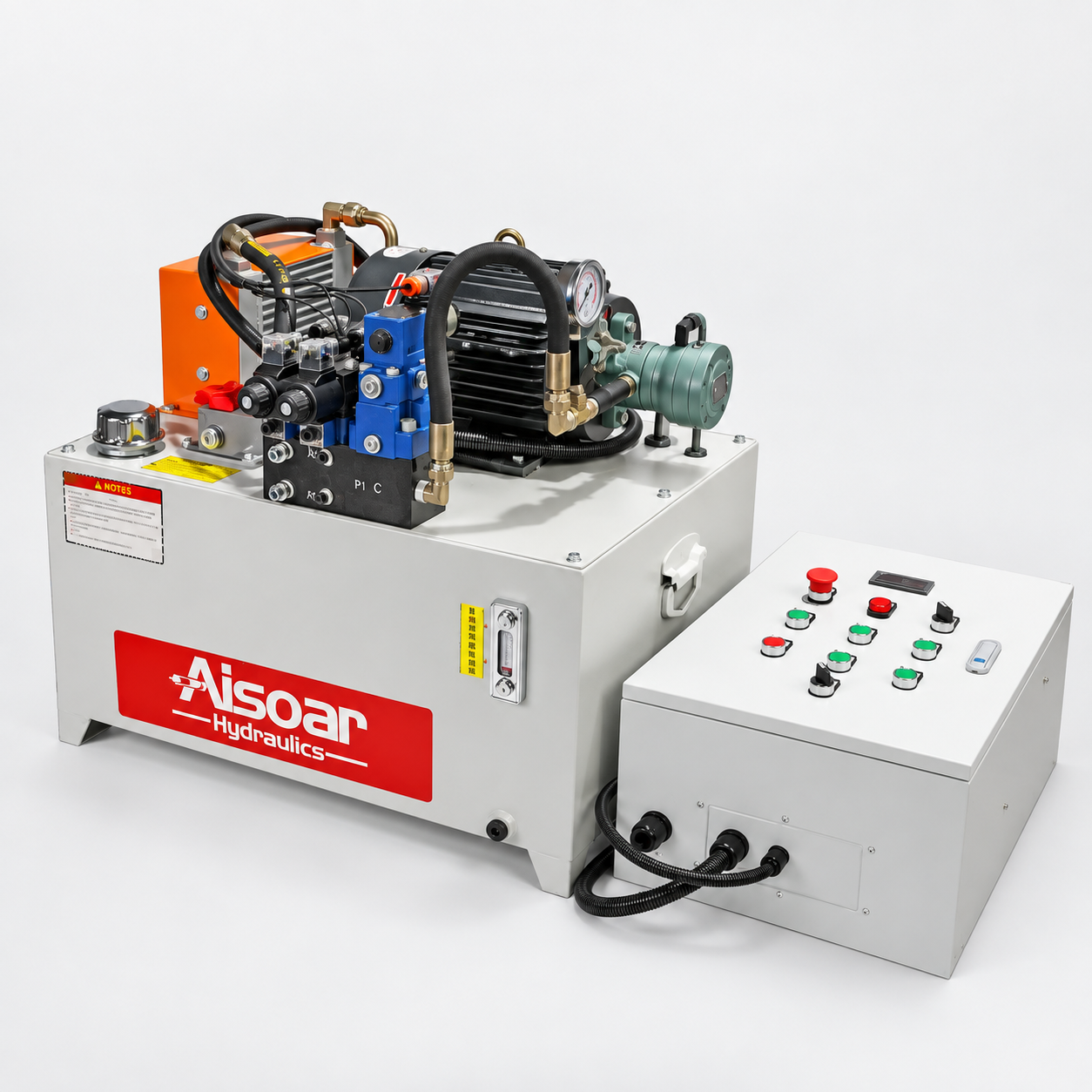
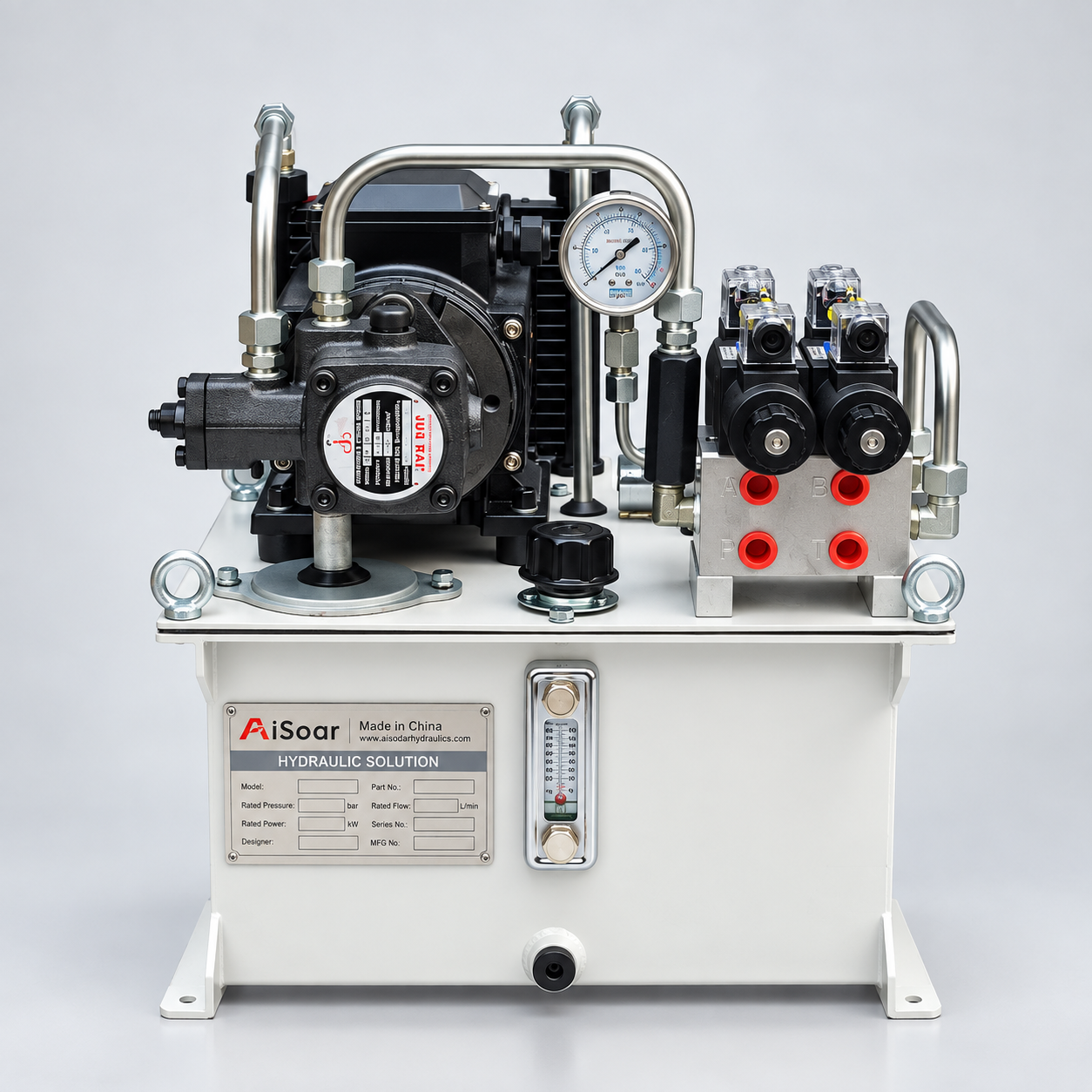
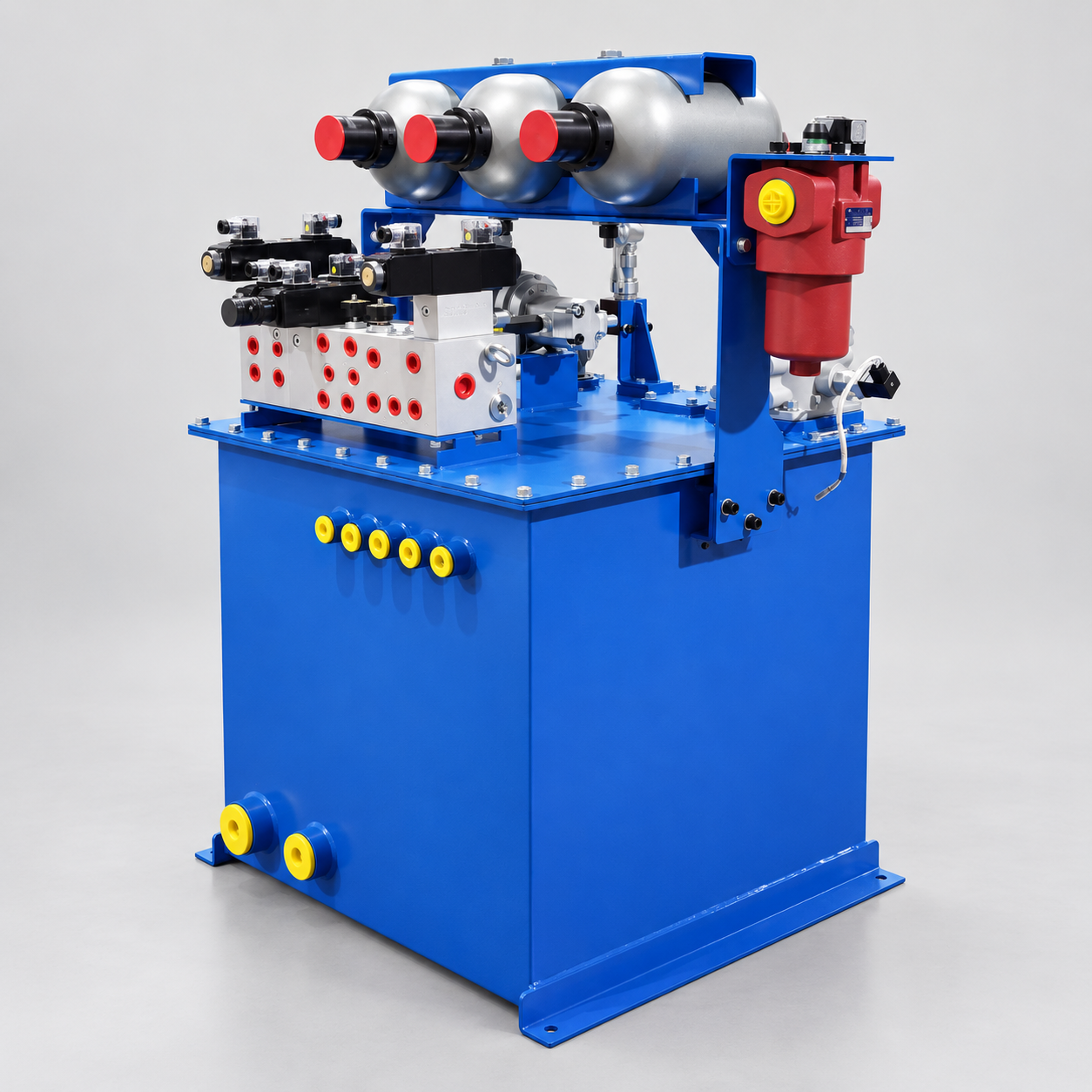
AISOAR provides customized hydraulic power units and hydraulic system solutions for industrial and mobile equipment. System configurations can be developed according to required pressure, flow, actuator speed, duty cycle, control requirements and operating environment.
For an OEM project or hydraulic system evaluation, providing the pump specifications, system pressure, actuator dimensions, required cycle time and a description of when the slowdown occurs can help our engineering team evaluate the system more efficiently.